My Personal Pantheon
Forbidden Altar aims to be comprehensive. This page is personal—the cocktails I make most, the bars I send friends to, the records always on the turntable, and the bottles I keep restocking.
Cocktails
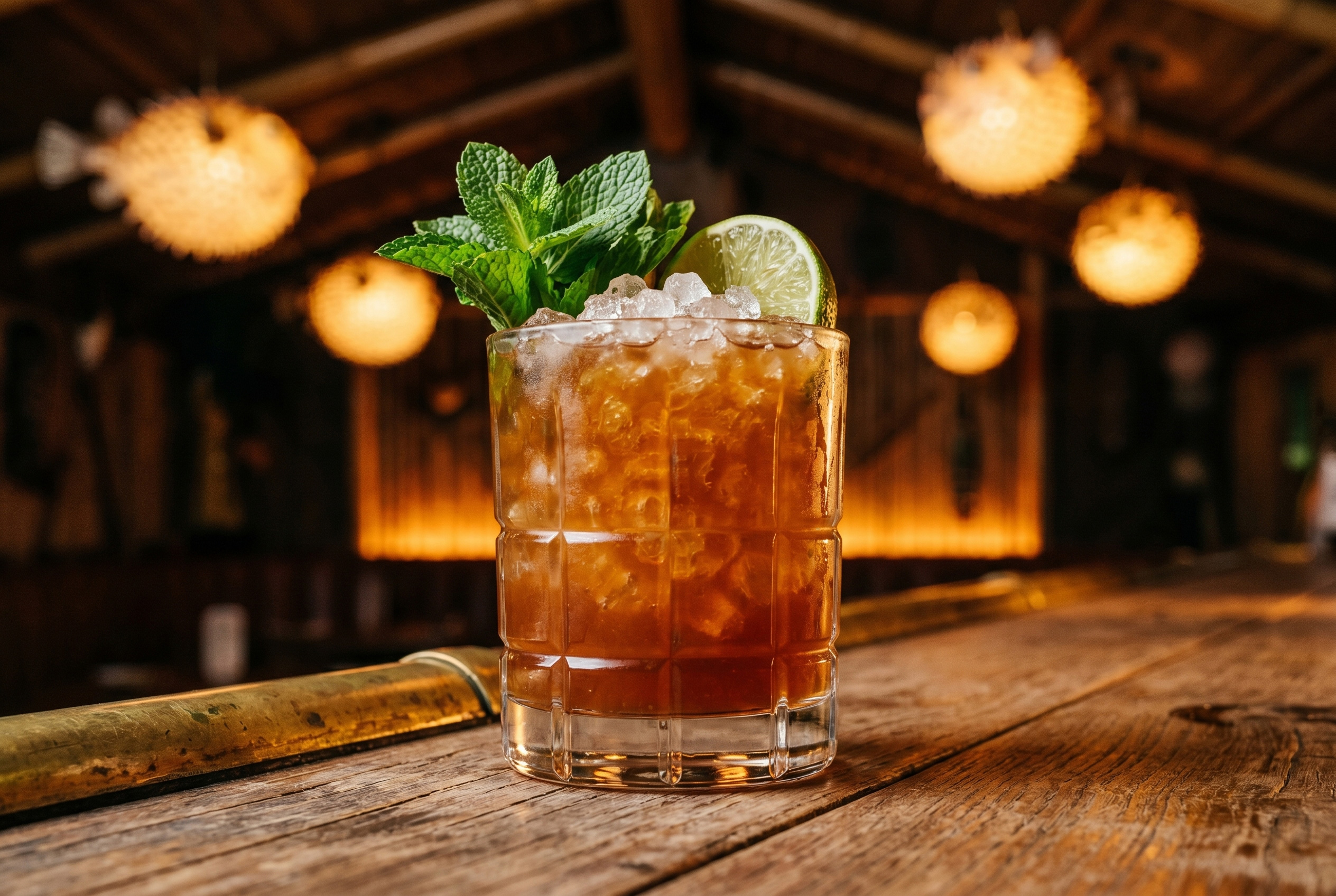
Mai Tai
The drink that launched a thousand tiki bars. Trader Vic’s 1944 original is a masterclass in balance—a blended base of aged Jamaican rum and Martinique rhum agricole, fresh lime, orgeat, and curaçao in near-perfect proportion. The name means ‘out of this world’ in Tahitian. He wasn’t wrong.
Make it →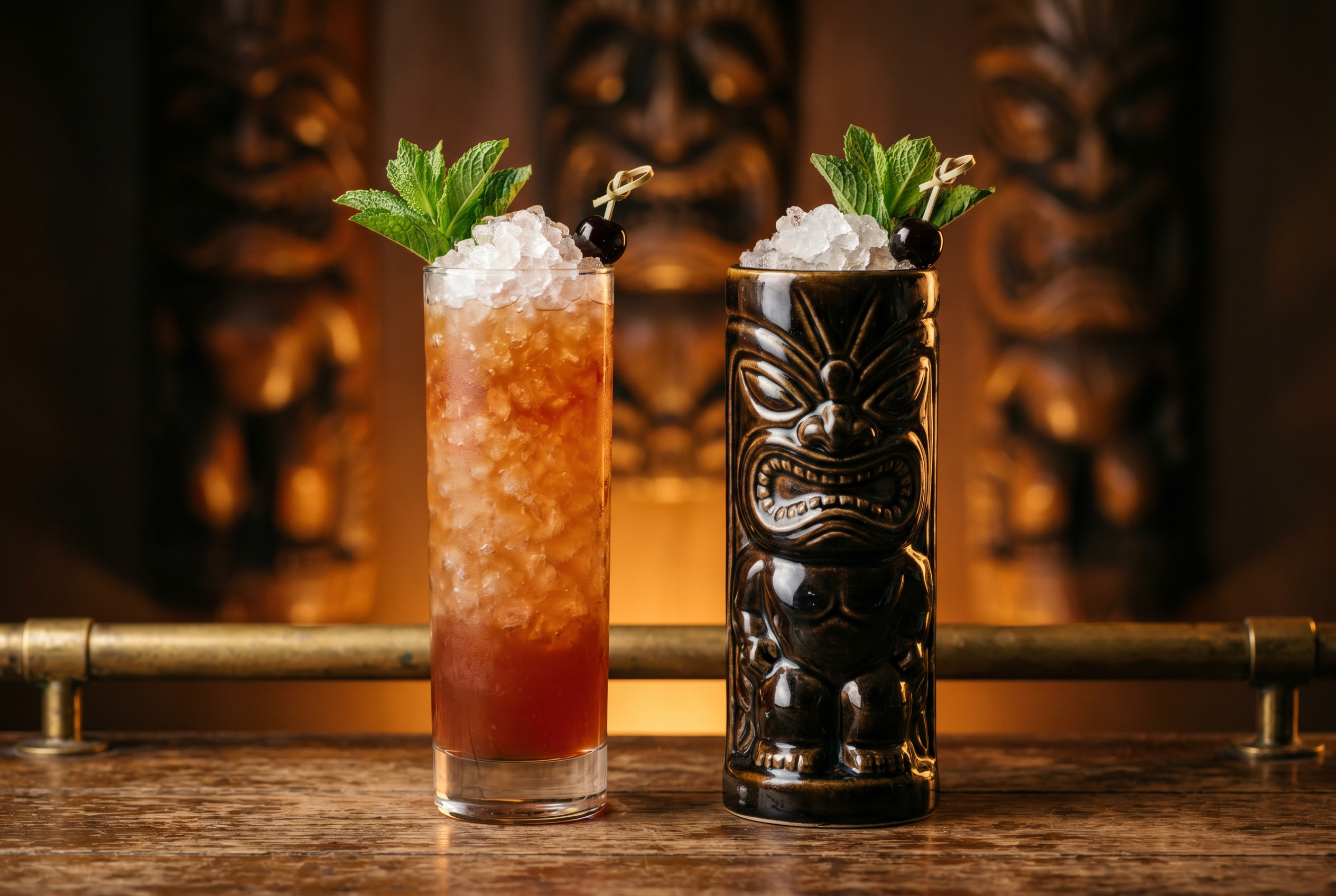
Zombie
Donn Beach’s 1934 original—the drink that started tiki. Three rums layered with falernum, citrus, grenadine, and a precise six drops of Pernod. Donn’s most guarded secret for fifty years, reconstructed by cocktail historian Jeff Berry through forensic detective work.
Make it →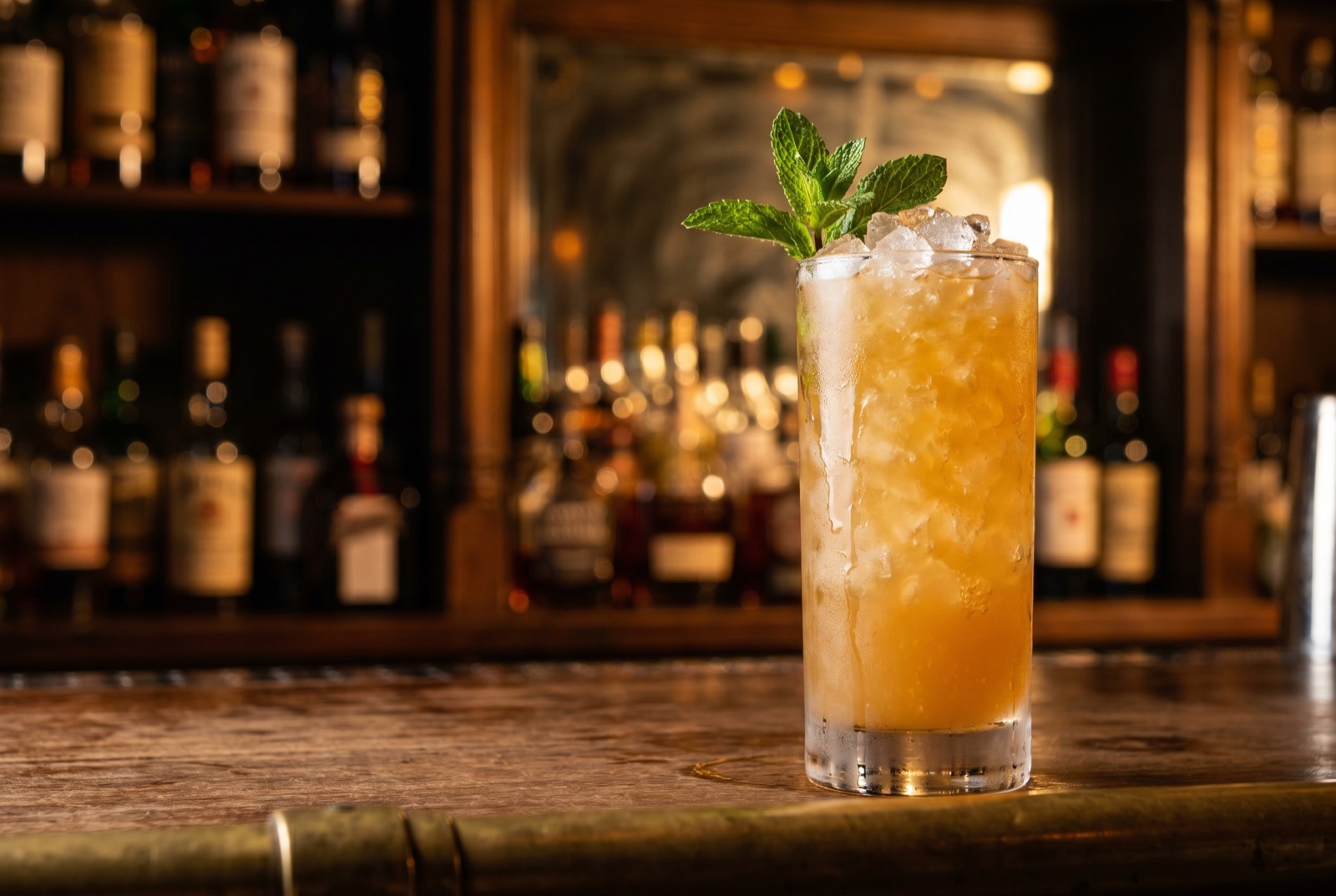
Zombie Punch
The lighter, fruitier evolution of Donn Beach’s Zombie that took over tiki bar menus in the 1950s and ’60s. Pineapple, lemon, passion fruit, and three rums in equal measure—a true punch-style build. Easier to love than the dark, secretive 1934 original, and a great drink in its own right.
Make it →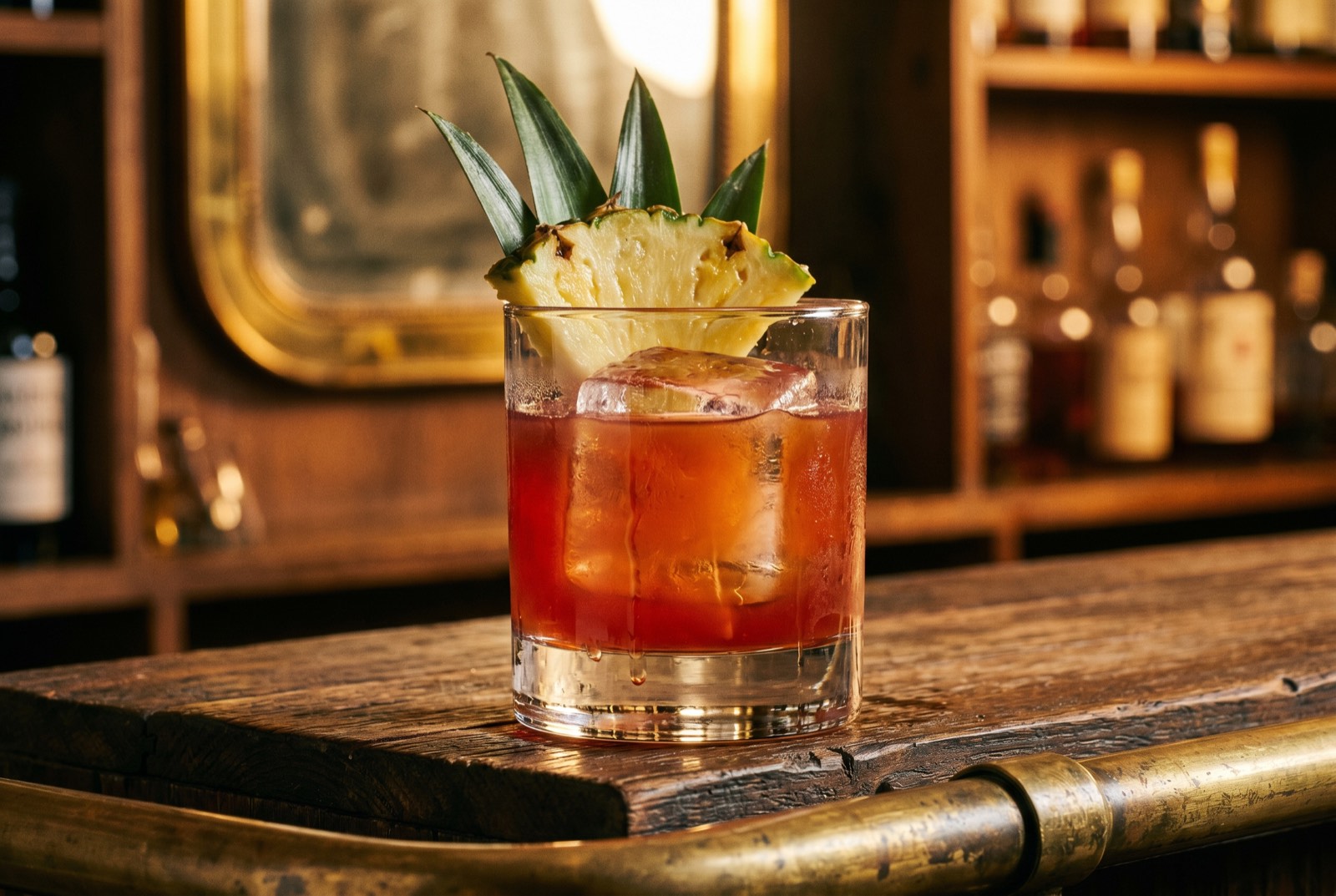
Jungle Bird (Gonzalez Revision)
Giuseppe Gonzalez’s mid-2010s rework of the 1978 Kuala Lumpur Hilton original—demerara syrup in place of straight simple, a hard shake over cubed ice, and a brighter, more aerated drink as a result. Now the de facto Jungle Bird in modern tiki and craft-cocktail bars.
Make it →Bars
Hale Pele
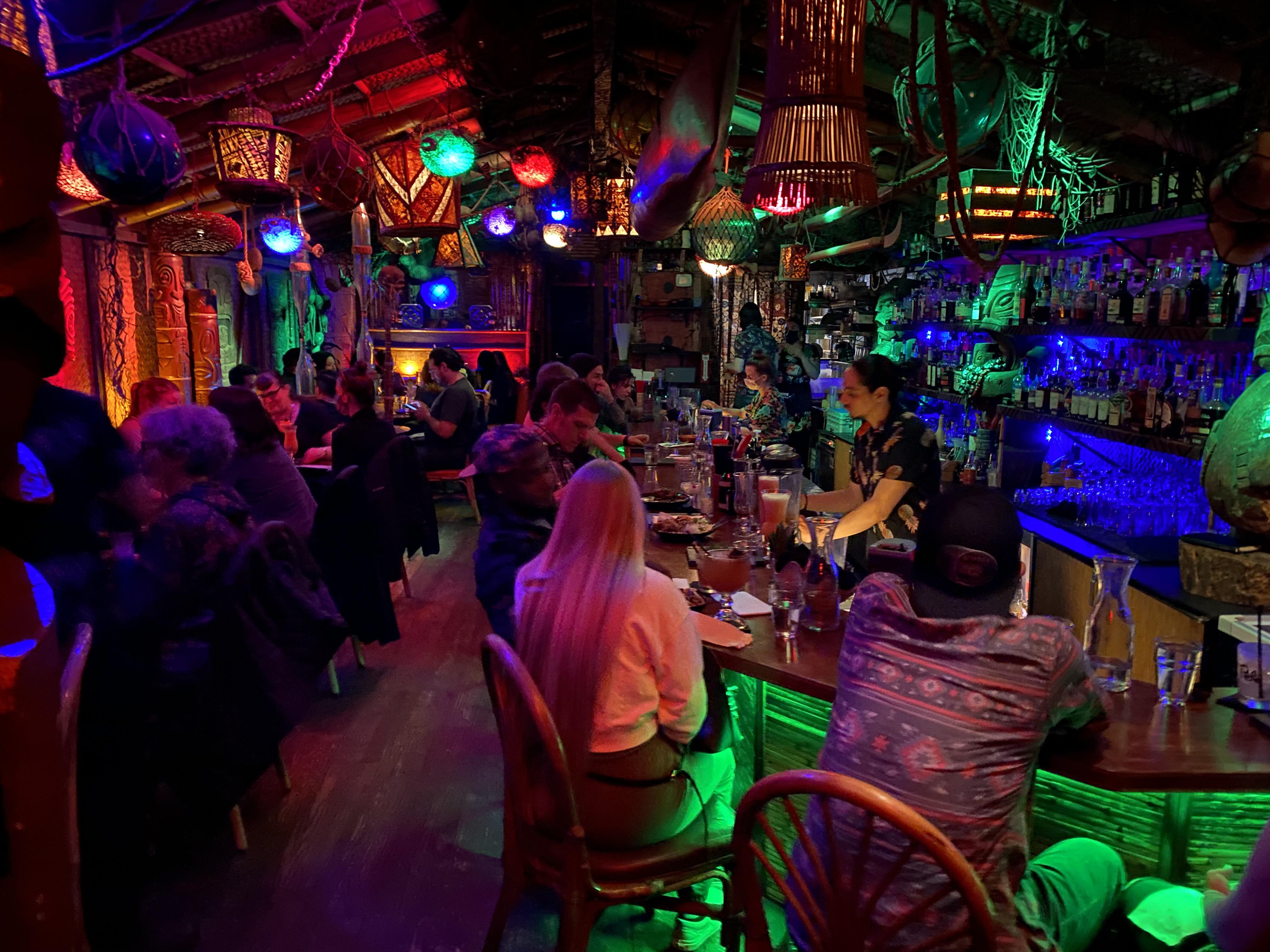
Blair Reynolds’ Portland, Oregon bar—the Pacific Northwest’s anchor for the modern exotic-cocktail revival. The integrated counterpart to his BG Reynolds Syrups operation: he built the ingredients, then built the bar that pours them properly. Volcano erupts hourly; mugs are museum-quality; the Jet Pilot is the recommended first order.
Visit →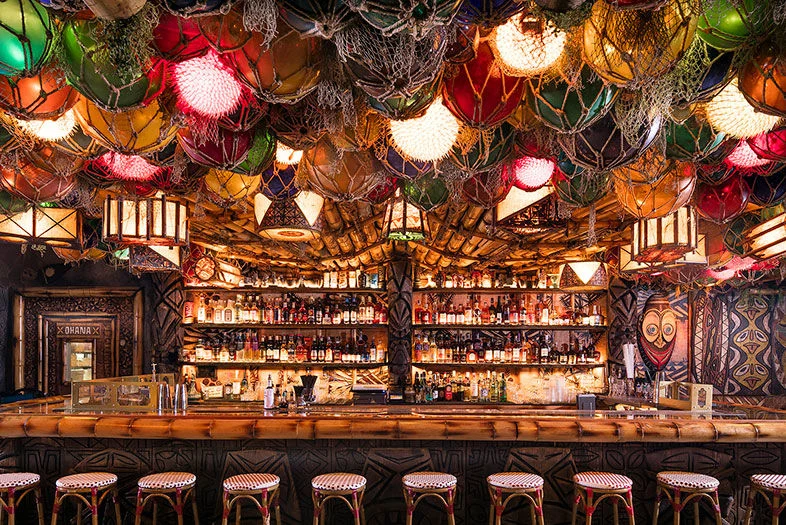
False Idol
Opened 2017 by the Consortium Holdings group (Polite Provisions, Craft & Commerce). Hidden behind a walk-in-refrigerator door at the back of Craft & Commerce in Little Italy. Anthony Schmidt’s program is technically pristine—precision-batched, every drink dialed to a half-quarter-ounce, the closest thing to a Japanese cocktail bar’s rigor that the tiki genre has produced. Multiple Beard nominations.
Visit →Music
Martin Denny
The pianist whose 1957 album Exotica gave the genre its name and its definitive sound. Bird calls, congas, vibraphone, and Polynesian-imagined arrangements recorded live at Henry J. Kaiser’s Shell Bar in Honolulu. The record stayed on the Billboard charts for over a year and made Exotica into a category.
Listen →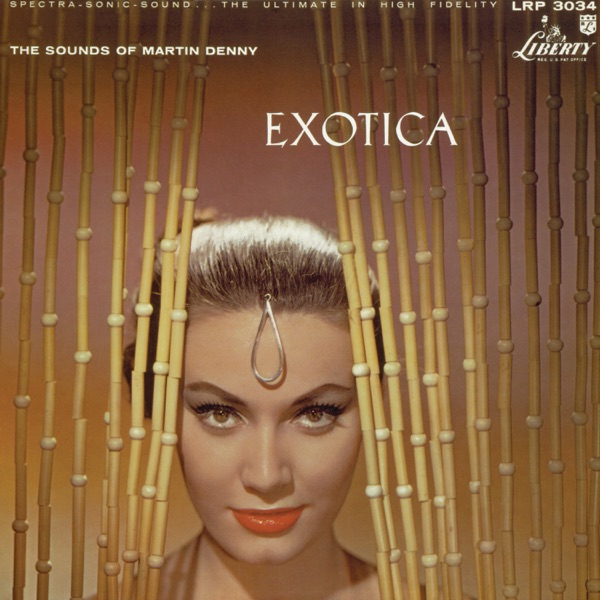
Exotica (Martin Denny)
Martin Denny’s 1957 Liberty debut. Recorded at the Shell Bar in Honolulu, named the genre, and stayed on the Billboard Top 200 for 90 weeks. The album that took Baxter’s orchestral concept and translated it into a small-combo working-bar register that the whole genre would imitate.
Listen →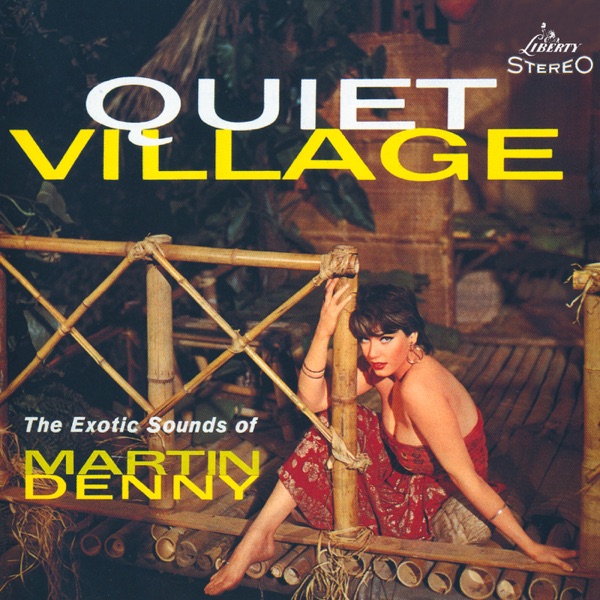
Quiet Village (Martin Denny)
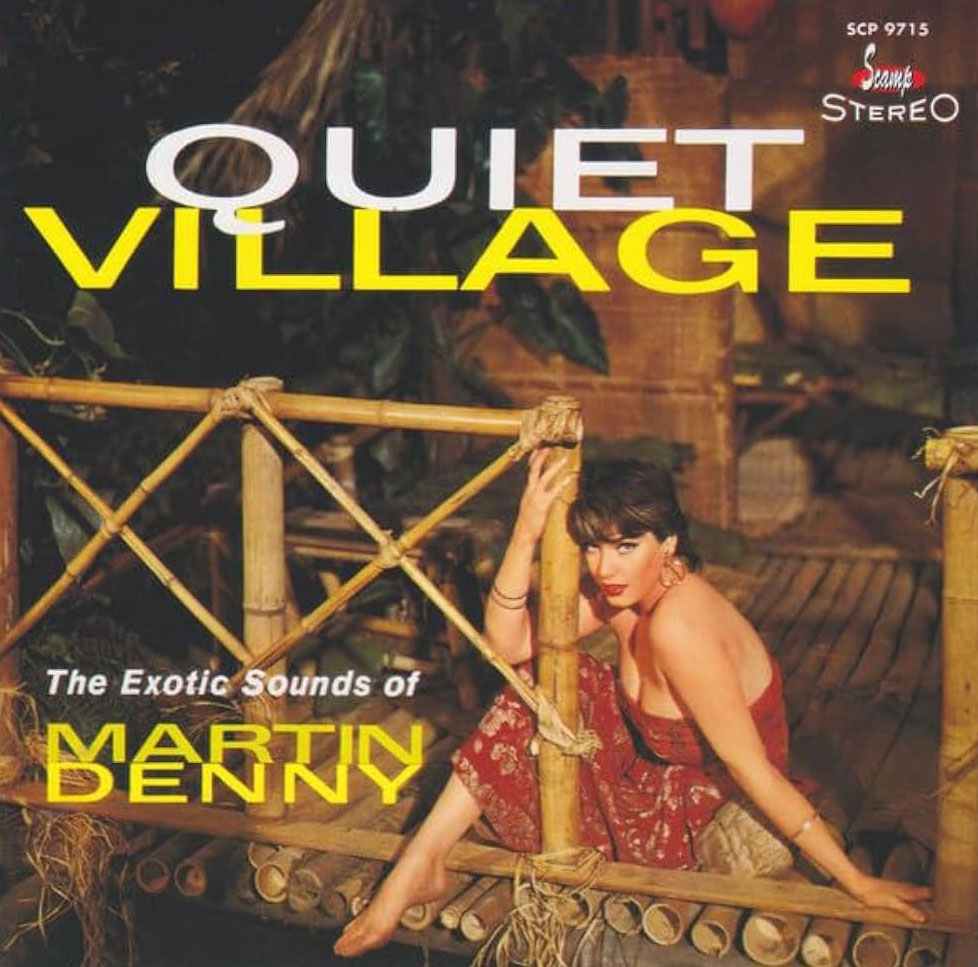
Martin Denny’s 1959 Liberty Records album—recorded in the wake of the ‘Quiet Village’ single’s top-5 chart success. A more produced, more arranged record than Exotica or Primitiva, built around the hit single in a re-recorded studio arrangement. The album that took Exotica all the way into the American pop mainstream.
Listen →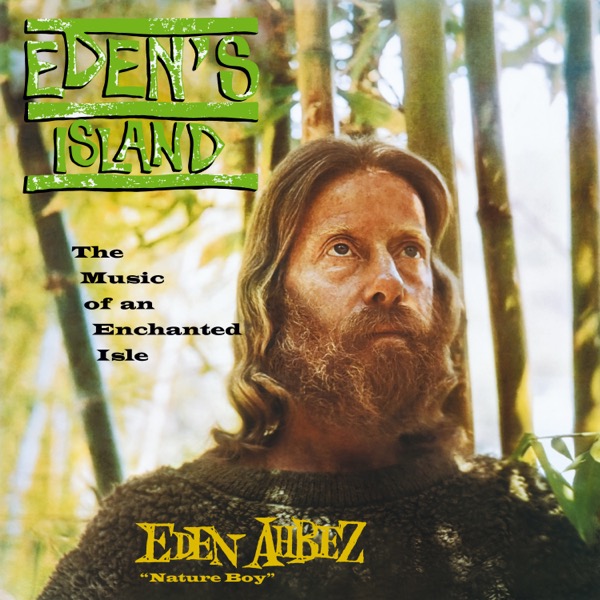
Eden’s Island
eden ahbez’s only album under his own name. Del-Fi Records, 1960—twelve tracks of half-spoken, half-sung tropical meditations over orchestral exotica arrangements, including ‘Eden’s Cove,’ ‘Tradewind,’ ‘Full Moon,’ and the strangest single track in the genre’s catalog, ‘Mongoose.’ Quietly received in 1960; retroactively canonized in the 1990s lounge revival as the most personal and singular record in the early-1960s Exotica conversation.
Listen →
Tito Puente
The King of Latin Music. Led the mambo era from the Palladium Ballroom through the 1950s, arranged Yma Sumac’s 1954 Capitol record Mambo! and remained the most visible face of Latin music in America for the next half-century. The adjacent tradition that shared every tiki bar’s playlist with Exotica.
Listen →Books
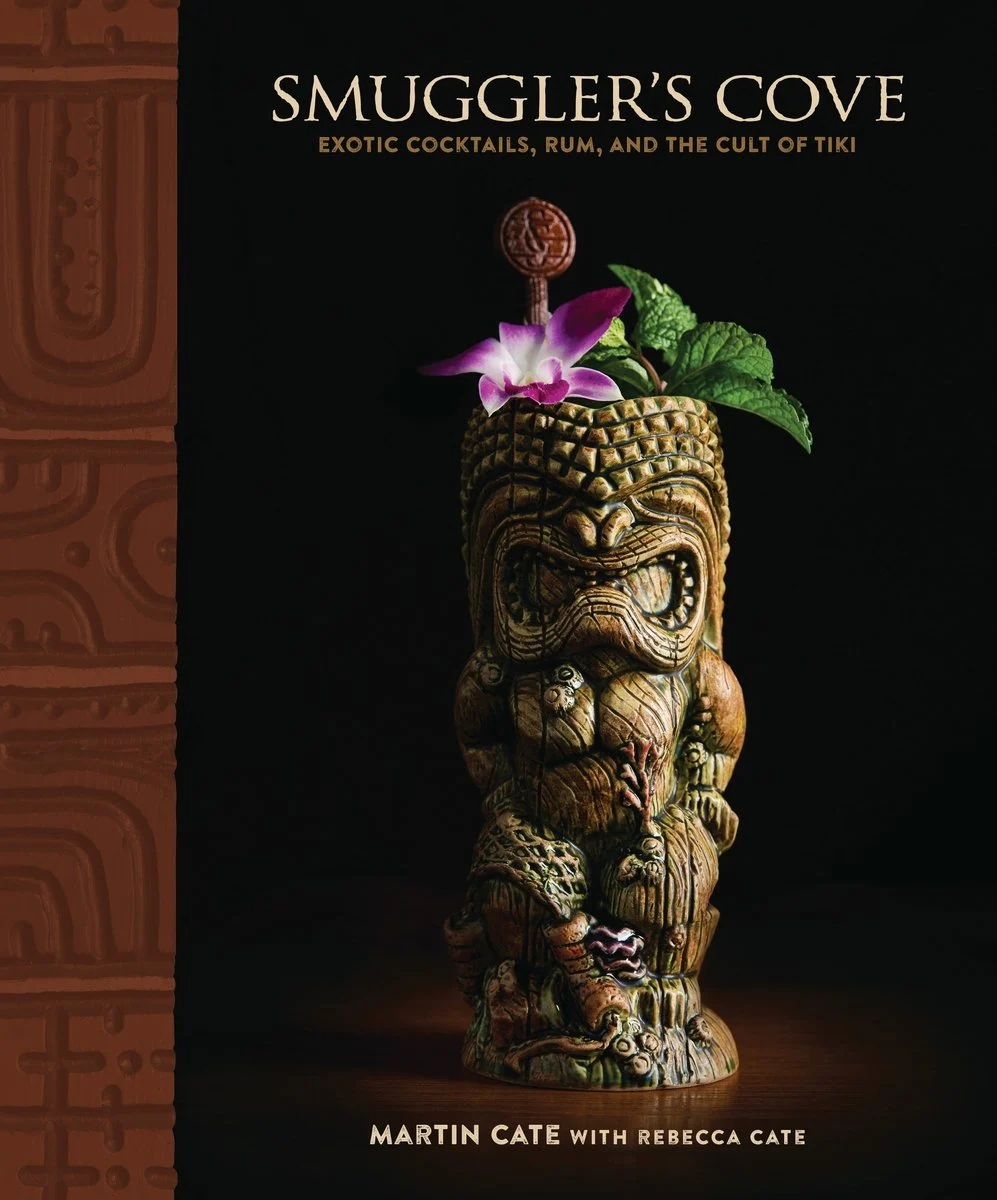
Smuggler’s Cove: Exotic Cocktails, Rum, and the Cult of Tiki
Martin and Rebecca Cate’s 2016 book—the single most influential modern cocktail book of the era. Documents the Smuggler’s Cove menu, codifies the modern rum classification system, and makes the strongest published case for the *exotic cocktails* terminology this site uses.
Read →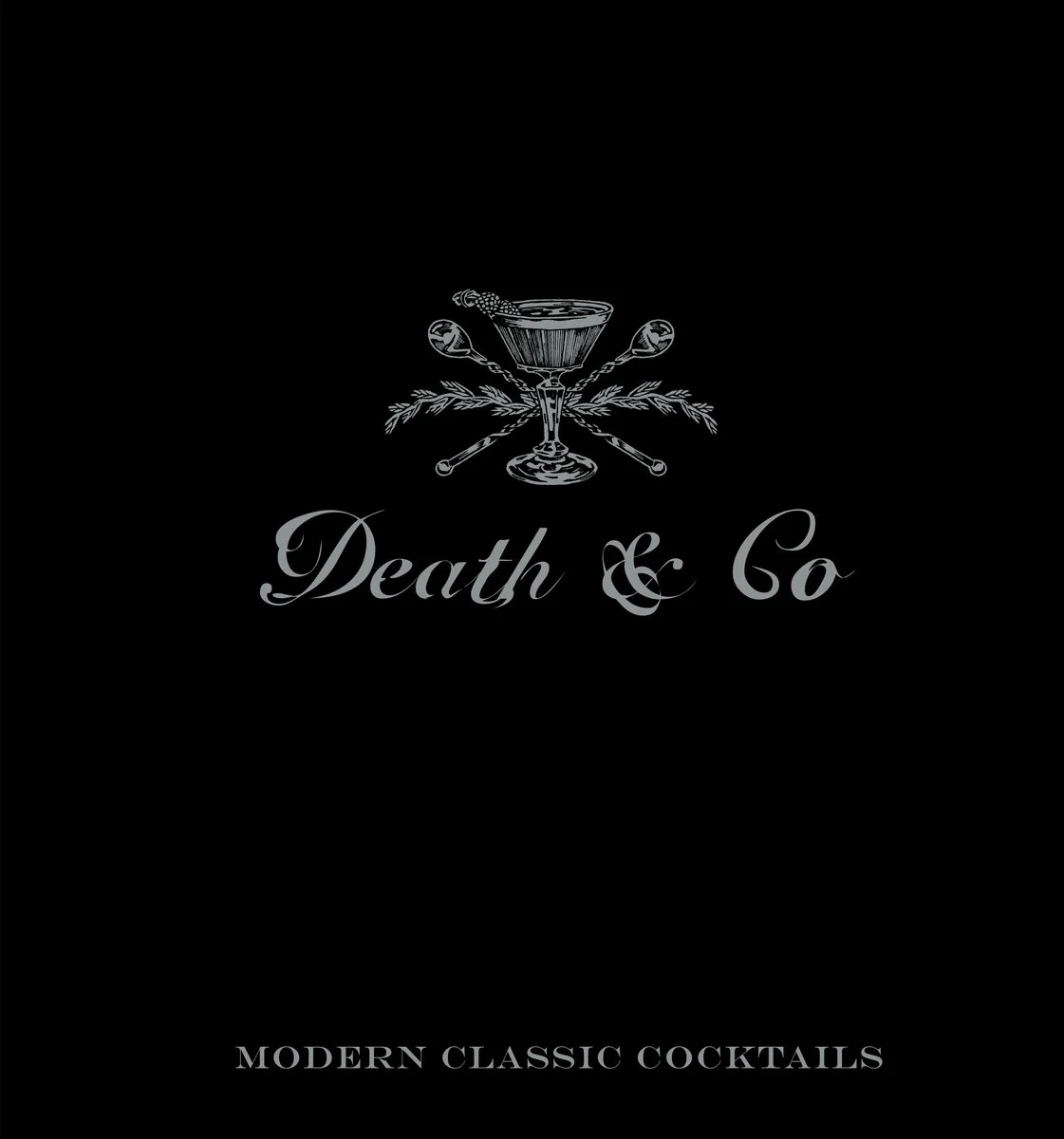
Death & Co: Modern Classic Cocktails
The defining book of New York’s craft-cocktail era, written by the team behind the East Village bar (David Kaplan, Nick Fauchald, and Alex Day). Substantial exotic-cocktail content, especially from Brian Miller’s Tiki Nights program.
Read →Cocktail Codex: Fundamentals, Formulas, Evolutions
The Death & Co team’s follow-up to their first book—an analytical, pedagogical book that argues every cocktail descends from one of six root templates (Old Fashioned, Martini, Daiquiri, Sidecar, Whisky Highball, Flip). Won the 2019 James Beard Award for Best Beverage Book. The single most useful book for understanding *why* cocktails work.
Read →The 12 Bottle Bar
David and Lesley Jacobs Solmonson’s 2014 book that argues a complete cocktail bar fits in twelve bottles. Not tiki-specific—but the single best on-ramp for anyone serious about building a home bar from zero. The most-recommended starter book in the broader cocktail community for a reason.
Read →