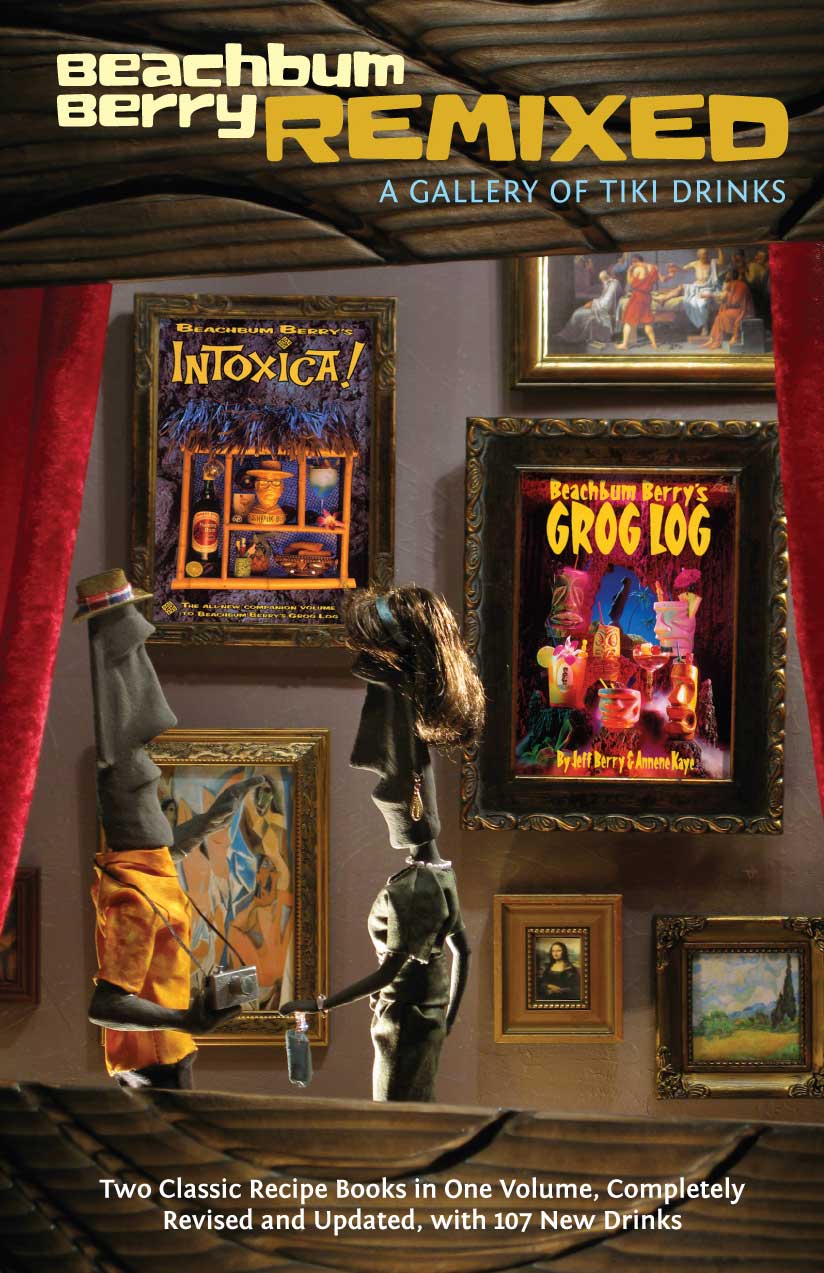
Beachbum Berry Remixed
Jeff Berry, 2009—Grog Log + Intoxica combined and expanded, ~700 recipes.
No favorites yet.
Hit the heart on any recipe.
Nothing queued.
Hit the bookmark on any recipe to remember it.
Nothing saved.
Hit Save on any item under Buy to remember it.
The books that anchor the canon, the bottles the recipes call for, the syrups the working bar runs on. Every recommendation we make across the site, gathered into a single working catalog.
Want the shorter list? See Chris’ Picks—the specific things I’d pick first across every category.
Tier’d buy guides—Starter, Workhorse, and Splurge picks across the equipment world. The shortcut when you already know what category you want and just need to know which three to compare.
Jeff Berry, 2009—Grog Log + Intoxica combined and expanded, ~700 recipes.
Alex Day, Nick Fauchald & David Kaplan, 2018. Argues every cocktail is a variation on one of six root templates. James Beard Award winner. The book that teaches the *grammar* of cocktails, not just the vocabulary.
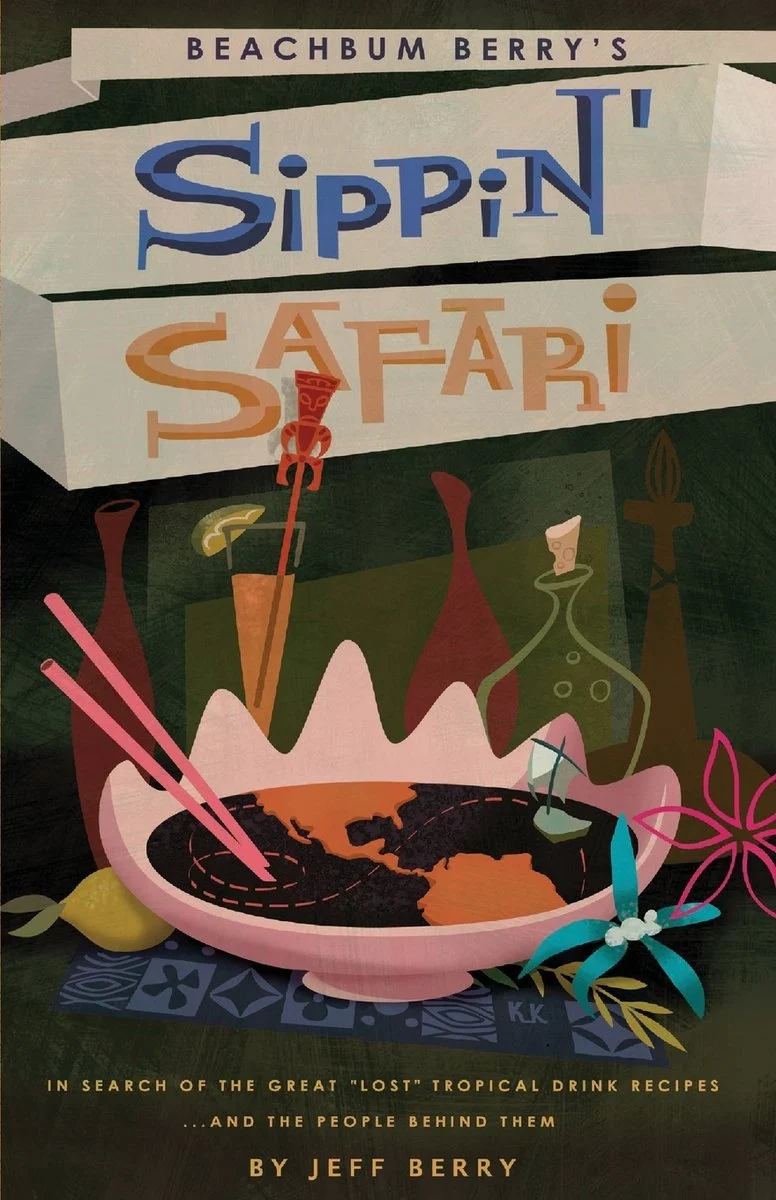
Jeff Berry, 2007—the deepest Donn Beach reconstruction. The single most essential book.
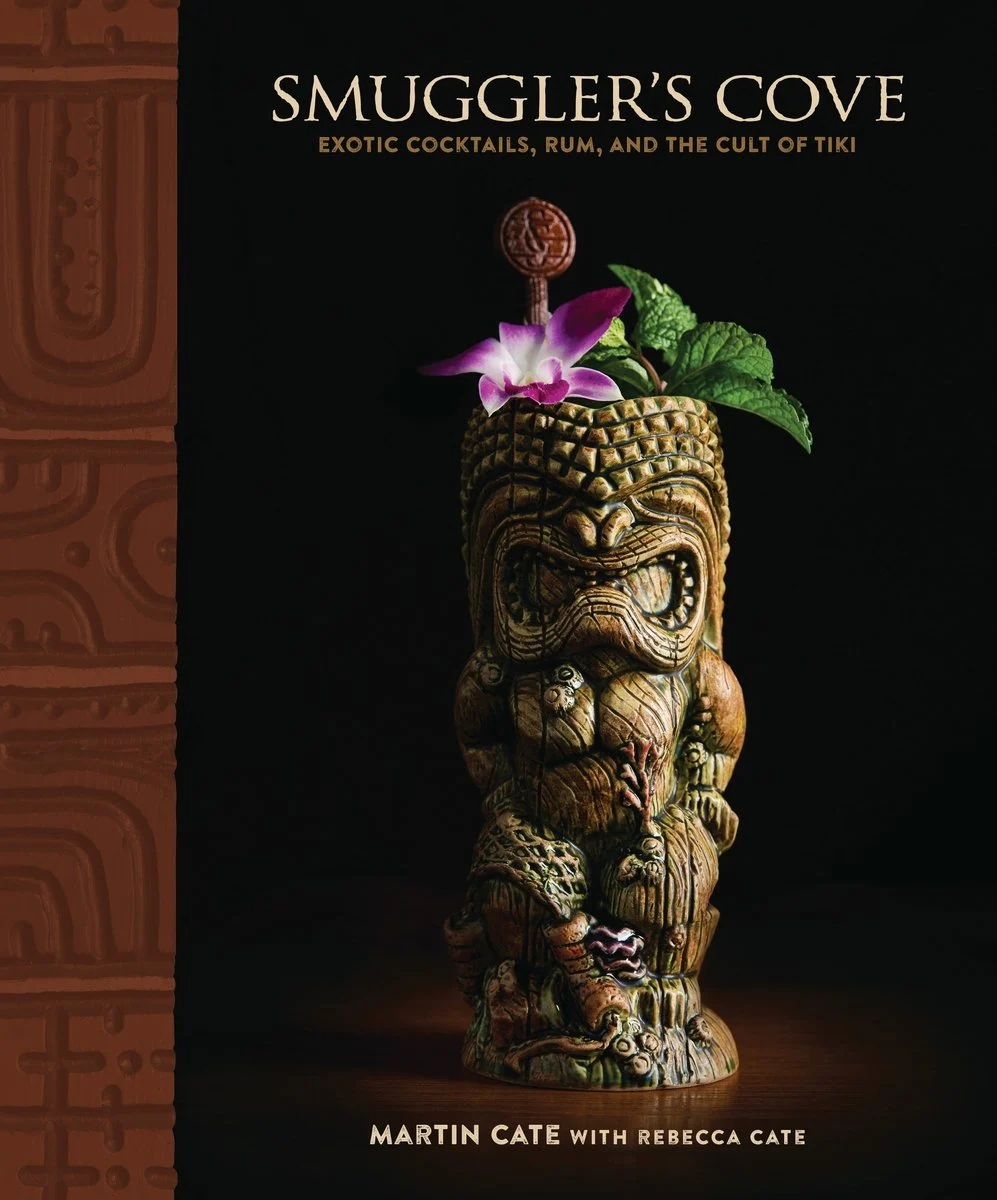
Martin & Rebecca Cate, 2016—the most influential modern cocktail book of the era. Codifies the rum classification the industry uses.
The most-recommended starter cocktail book for a reason. Twelve bottles, hundreds of drinks, no nonsense. Not tiki-focused, but indispensable for the underlying craft.
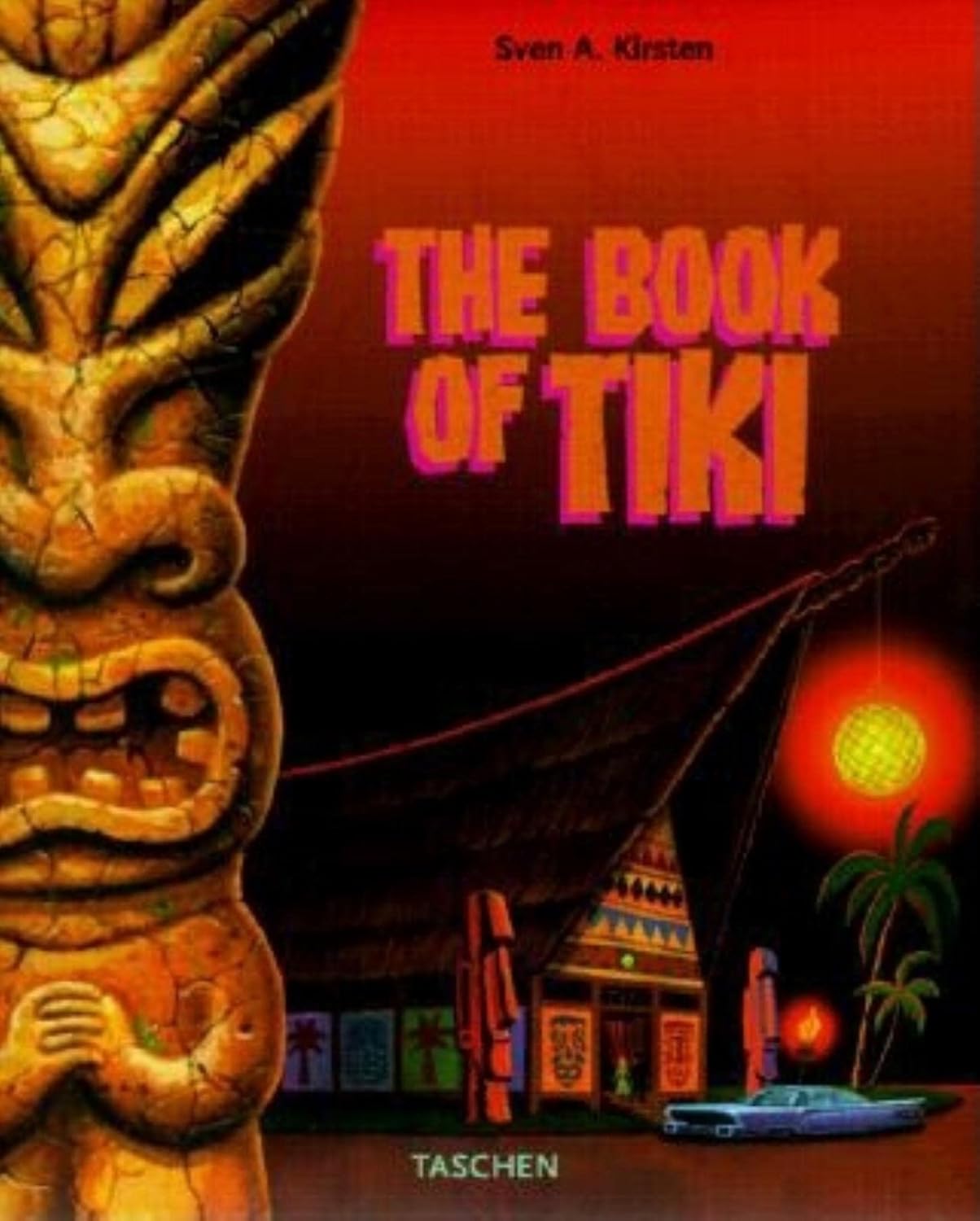
Sven Kirsten, 2000—the founding cultural-history text of Polynesian Pop. Taschen, large format, ~287 pages.
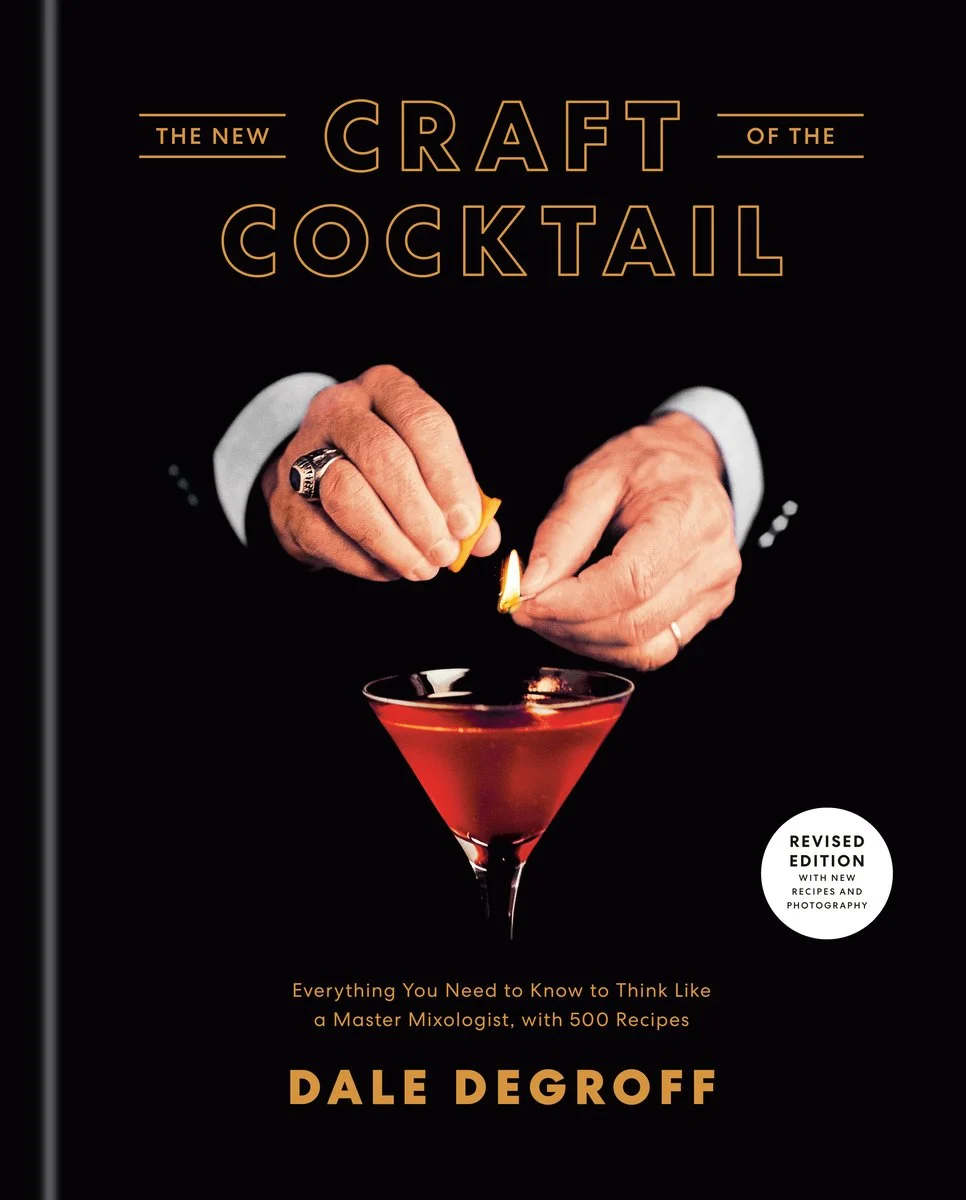
Dale DeGroff, 2020—an updated and expanded edition of the 2002 book, reflecting twenty additional years of revival progress.
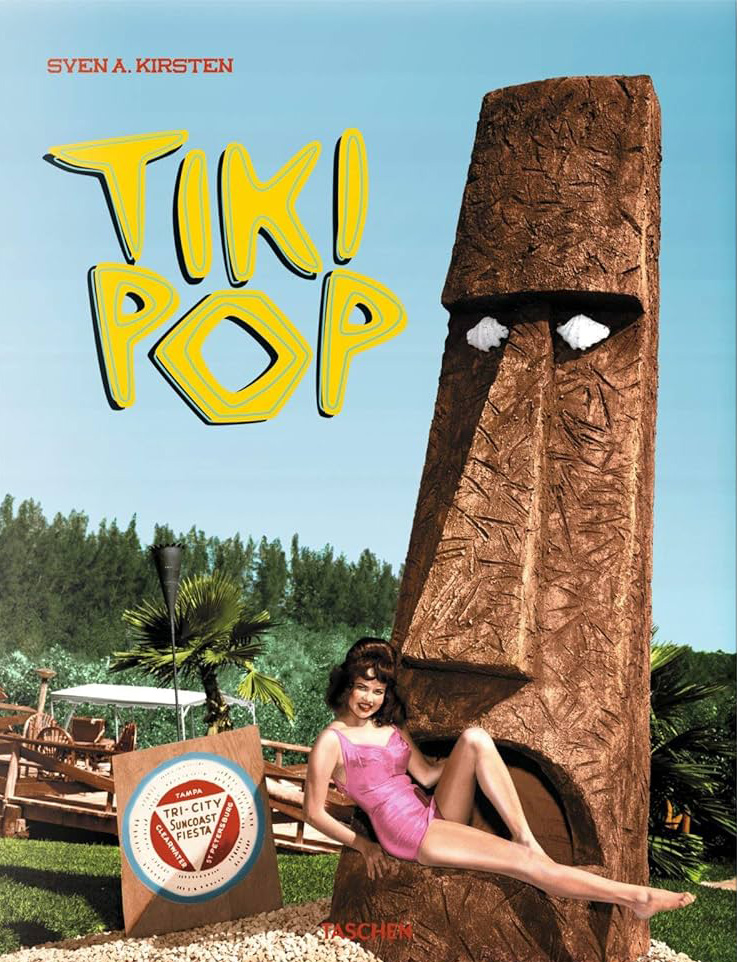
Sven Kirsten, 2014—the museum-catalog companion to Kirsten’s broader Polynesian Pop scholarship.
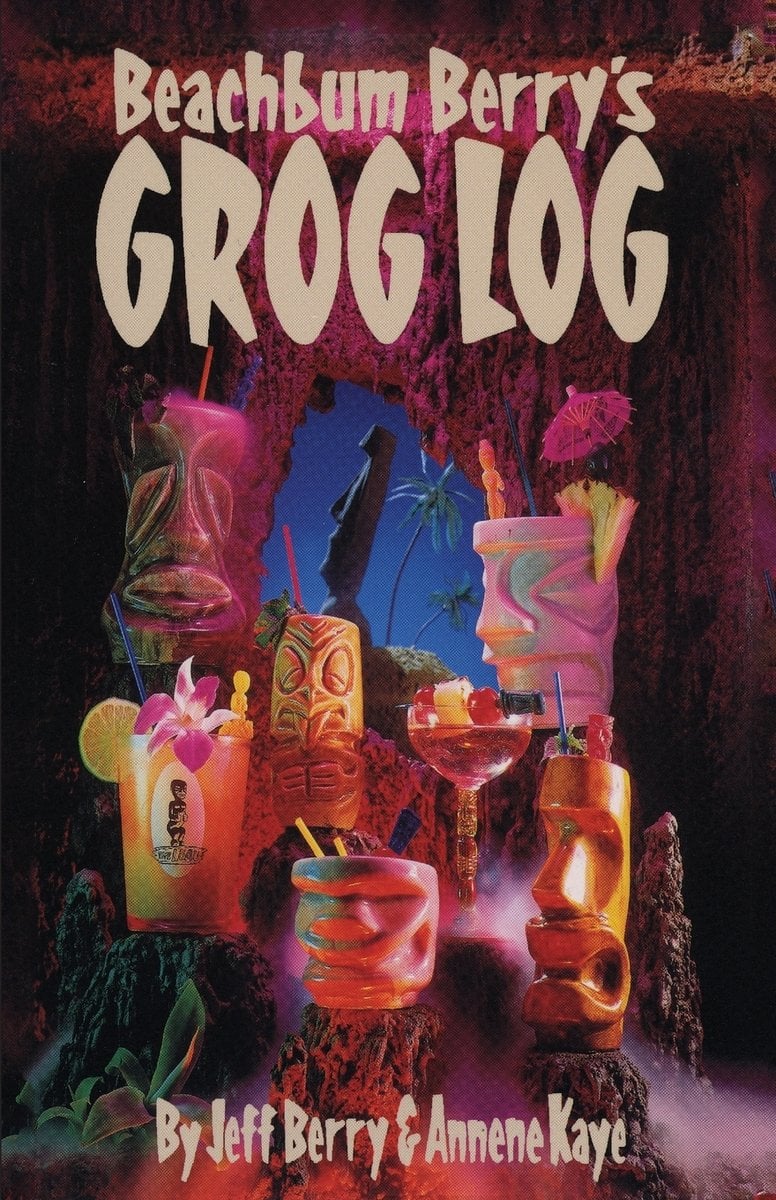
Jeff Berry, 1998—the founding text of the modern revival.
Kaplan, Fauchald & Day, 2014—the defining book of the New York craft-cocktail era, with the bar where Miller ran Tiki Nights.
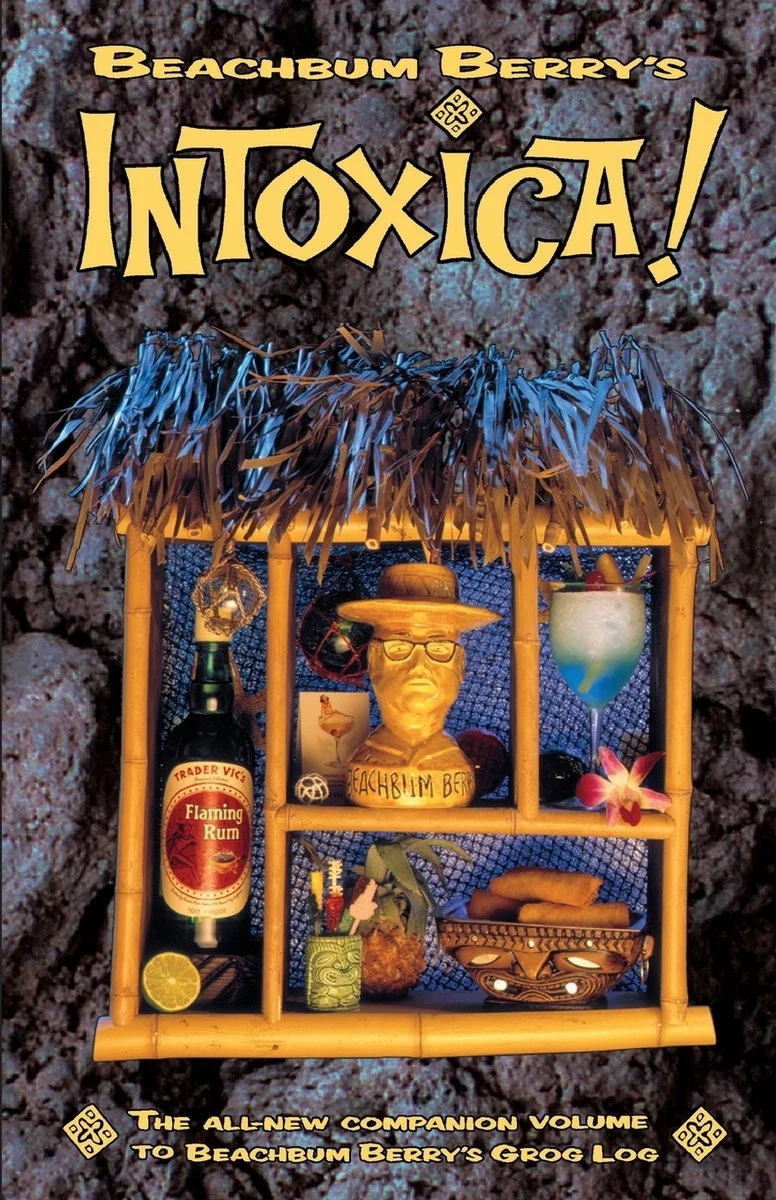
Jeff Berry, 2002—now largely subsumed by Remixed.
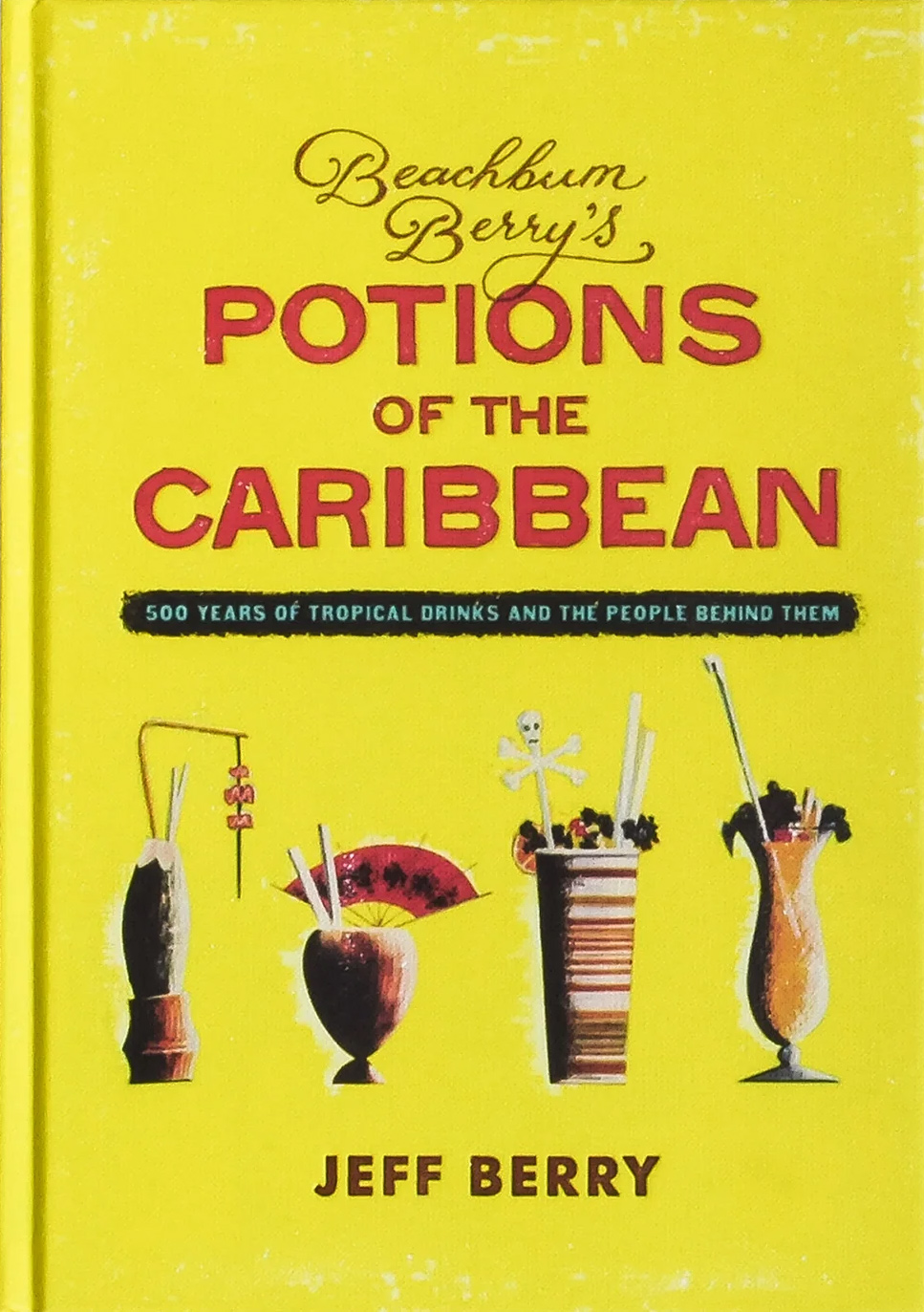
Jeff Berry, 2013—pre-tiki proto-tropical history. The deepest dive.
Ed Hamilton, 1995. Out of print; the secondary-market price varies widely. Used copies surface regularly through Amazon’s marketplace. The first comprehensive country-by-country survey of Eastern Caribbean rum production in English.
Ed Hamilton, 1997. Out of print; used copies surface regularly through Amazon’s marketplace. The broader follow-up to *Rums of the Eastern Caribbean*, covering the global rum world rather than just the Eastern Caribbean.
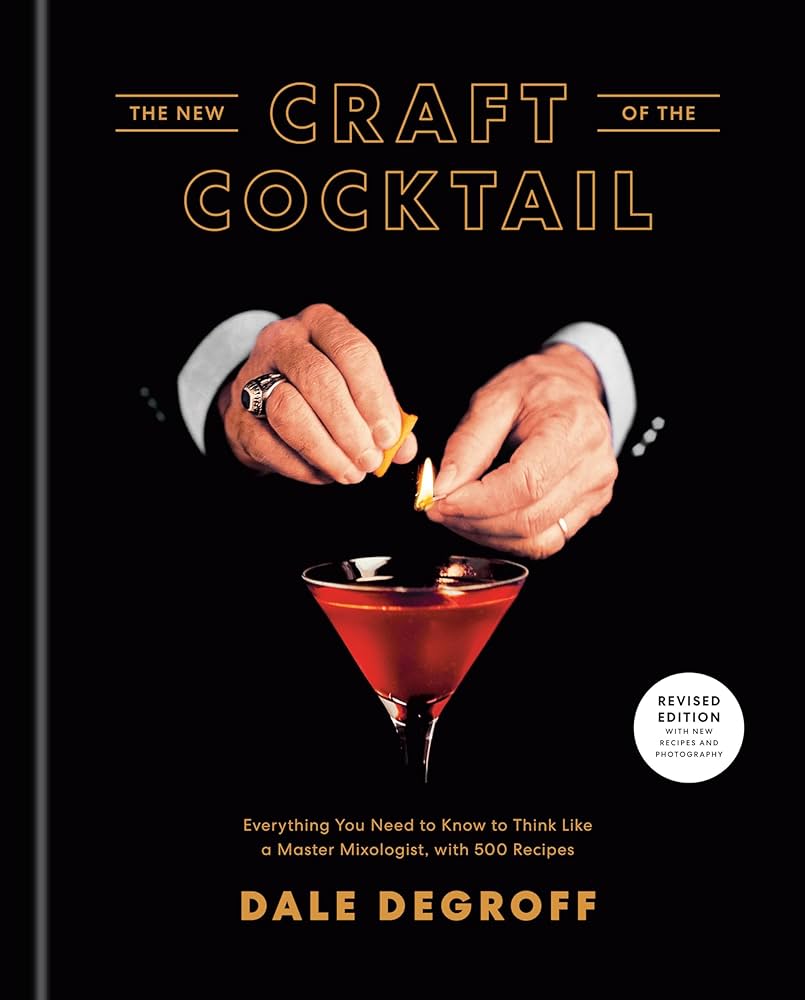
Dale DeGroff, 2002—the book that introduced craft-cocktail technique to a generation of American home bartenders.
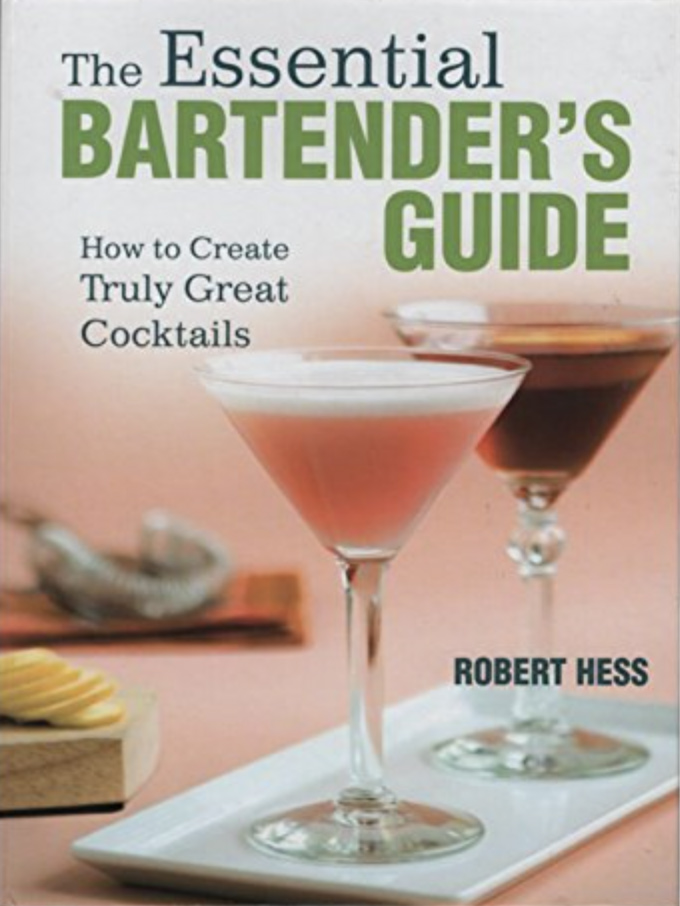
Robert Hess, 2008—the print companion to a generation of online cocktail education.
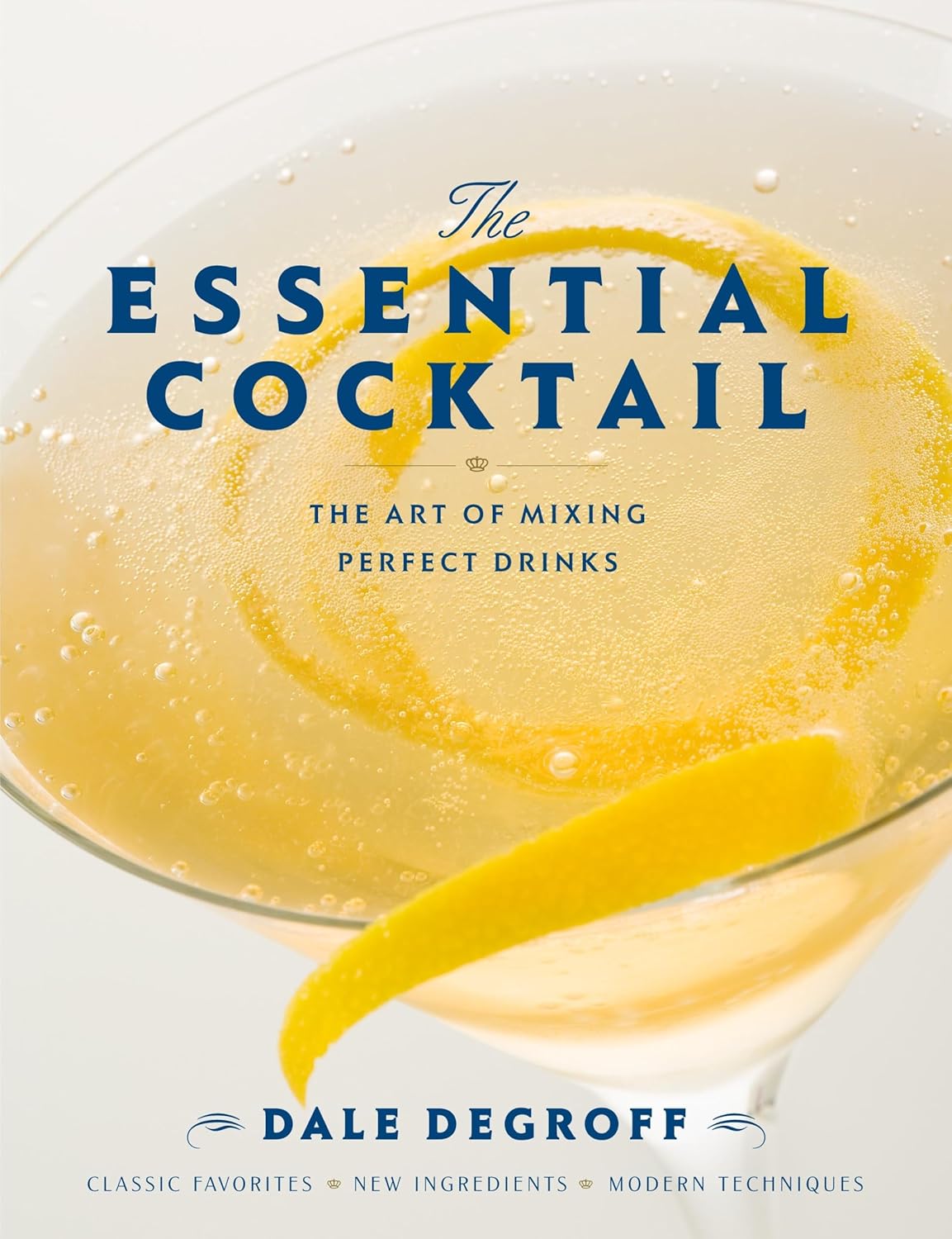
Dale DeGroff, 2008—a follow-up reference focused on classic-cocktail recipes and modern interpretations.
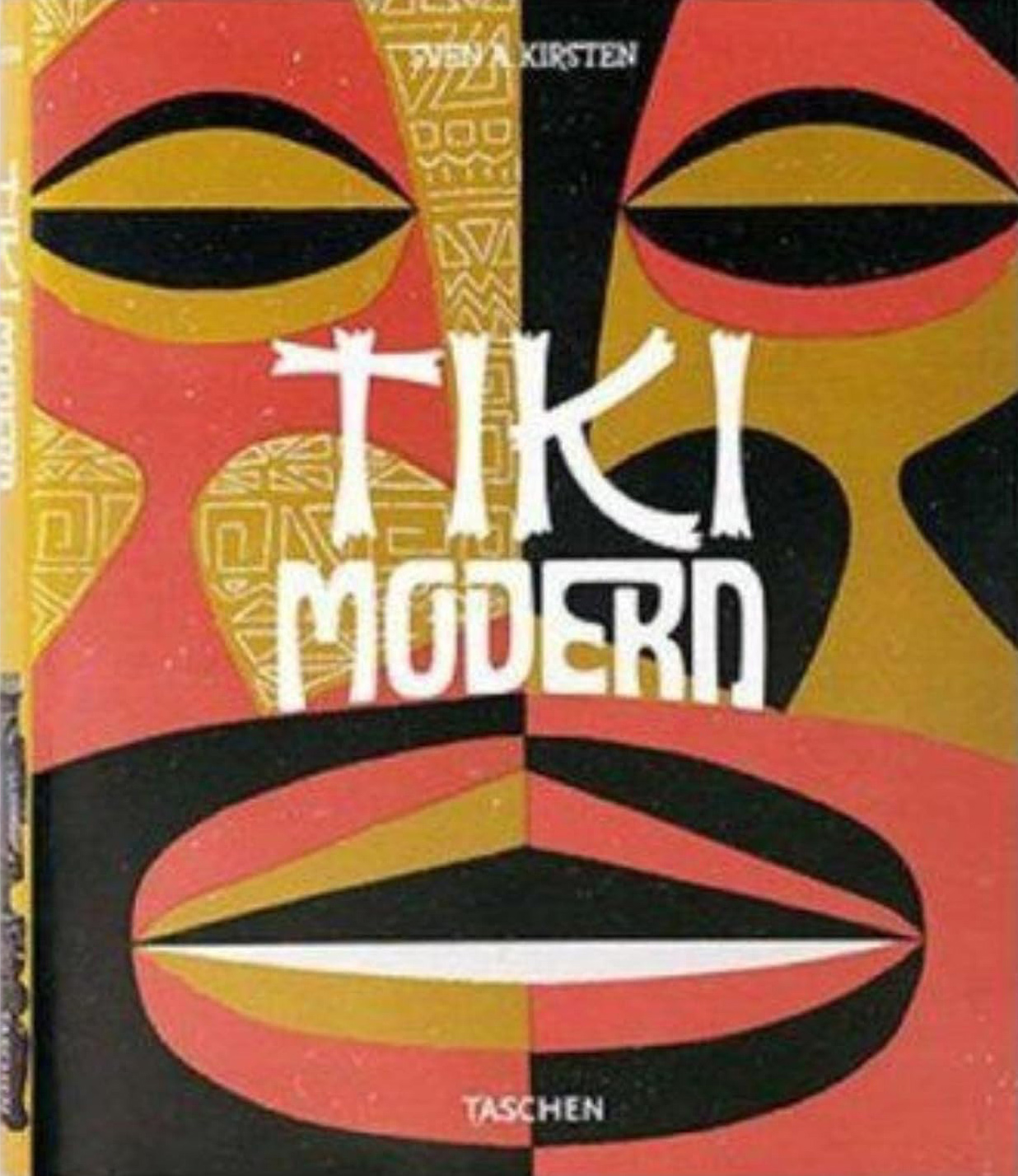
Sven Kirsten, 2007—the middle volume of Kirsten’s Polynesian Pop scholarship. Covers the Witco driftwood-carving phenomenon in particular depth.
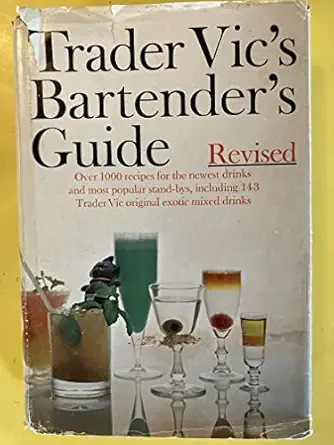
Victor Bergeron, 1947 (revised 1972)—the foundational published text from the original era.
The home-bar default aged Jamaican—balanced, accessible at $20-25. The 8 Year is the next step up; the 12 Year is the upgrade for serious Mai Tai programs.
The historically-specified rum for Bacardi Cocktail and Mary Pickford. Neutral, charcoal-filtered, $18-22. For more character in generic ‘white rum’ slots, Banks 5 or a Cuban-style craft producer is the upgrade.
Five-island blend (Trinidad, Jamaica, Barbados, Guyana, Java) bottled at 43% ABV. The neutral-but-characterful white rum for Daiquiri, Mojito, Mary Pickford. Banks 7 Golden Age is the aged sibling.
Aged Demerara from wooden pot stills. The 12-year is the canonical aged Demerara for cocktail use.
Caskers is the most reliable mail-order channel for Doorly’s 8, Doorly’s 12, and the limited Exceptional Cask Selection releases. Total Wine and K&L Wines carry the standard bottlings; the limited releases sell out within weeks.
Not on Amazon. The 8-year (46% ABV) is the workhorse bottling—funk without overproof aggression. Total Wine and K&L Wine Merchants are the most reliable US retailers.
Multi-island Caribbean rums finished in France. The Original Dark and the Xaymaca Special Dry are workhorse cocktail rums.
57% ABV, high-ester pot-still Jamaican. The funk that the Kingston Negroni and the Doctor Funk need.
The canonical 63% ABV white overproof. A half-ounce float carries any Mai Tai. The 750ml lasts years.
Twenty-seven herbs and spices at 40% ABV. Required for Vieux Carré, Singapore Sling, Bobby Burns. B&B (Brandy & Bénédictine) is a separate pre-blended product, not a substitute.
Non-negotiable for the Jungle Bird, Negroni, Kingston Negroni, and Boulevardier. Sixty-plus botanicals at 24% ABV.
Premium sweet vermouth—vanilla, dried fruit, warming spices. The Kingston Negroni vermouth. Refrigerate after opening; oxidizes within weeks at room temperature.
The default 40% ABV triple sec for Margarita, Sidecar, Cosmopolitan, Mary Pickford, and Singapore Sling. For premium Mai Tai work, Pierre Ferrand Dry Curaçao is the upgrade.
The required cherry brandy for Singapore Sling and Blood and Sand. 24% ABV, real Stevns cherries with pit-derived almond character.
The canonical bottled falernum. Made by Foursquare in Barbados since 1890.
Klosterneuburg-apricot eau-de-vie liqueur at 24% ABV—the modern reference for Hotel Nacional Special and revival apricot-liqueur cocktails. Orchard Pear, Orchard Cherry, and Crème de Violette round out the portfolio.
Falernum, orgeat, passion fruit, grenadine—ships direct from Portland.
Real almonds, orange flower water, cane sugar—no almond extract. The working alternative to homemade orgeat. Spiced Honey and Demerara Gum are also worth grabbing.
The best commercial passion fruit—real pulp, balanced sweetness. The Hibiscus and Falernum SKUs are also worth knowing.
Real cinchona-bark quinine—mix one part syrup to four parts soda for a real G&T. Their Grenadine (real pomegranate, no Red 40) is the other standout.
Direct-only by Colliau’s design—not on Amazon. The Orgeat and Pineapple Gum are the two essentials; Gum Syrup is the next buy.
The most accessible commercial falernum—balanced almond, lime, ginger, clove. Also worth grabbing: Almond Orgeat and Double-Spiced Falernum.
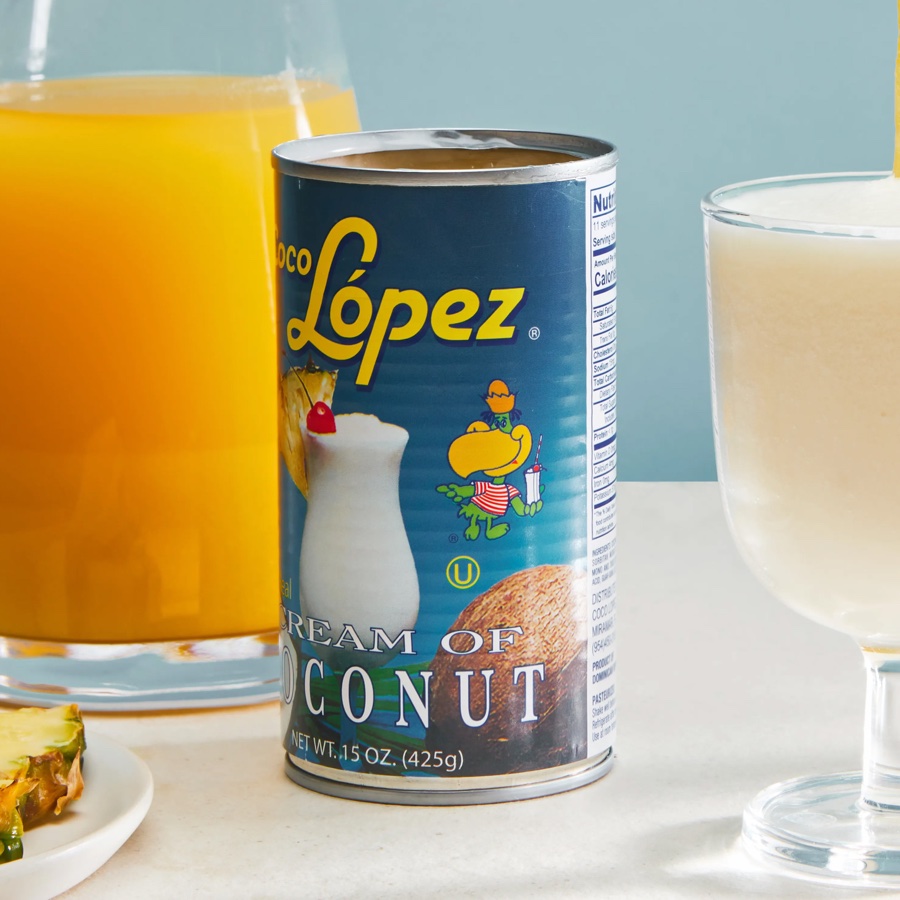
The original 1954 Puerto Rican cream of coconut. The 15 oz can is the workhorse size. Required for the canonical Piña Colada.
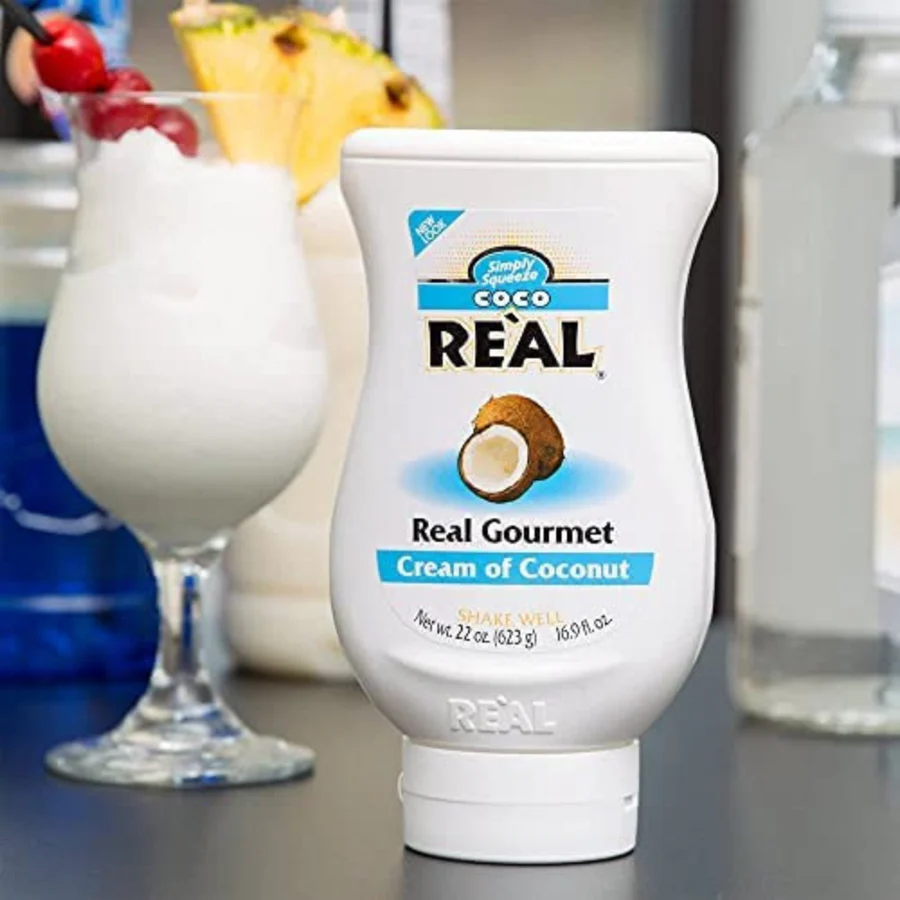
The 16.9 oz squeeze bottle is the bar-back-friendly format. Open, pour, return to room-temp storage—no decanting, no can-opener, no leftover-can fridge rotation.
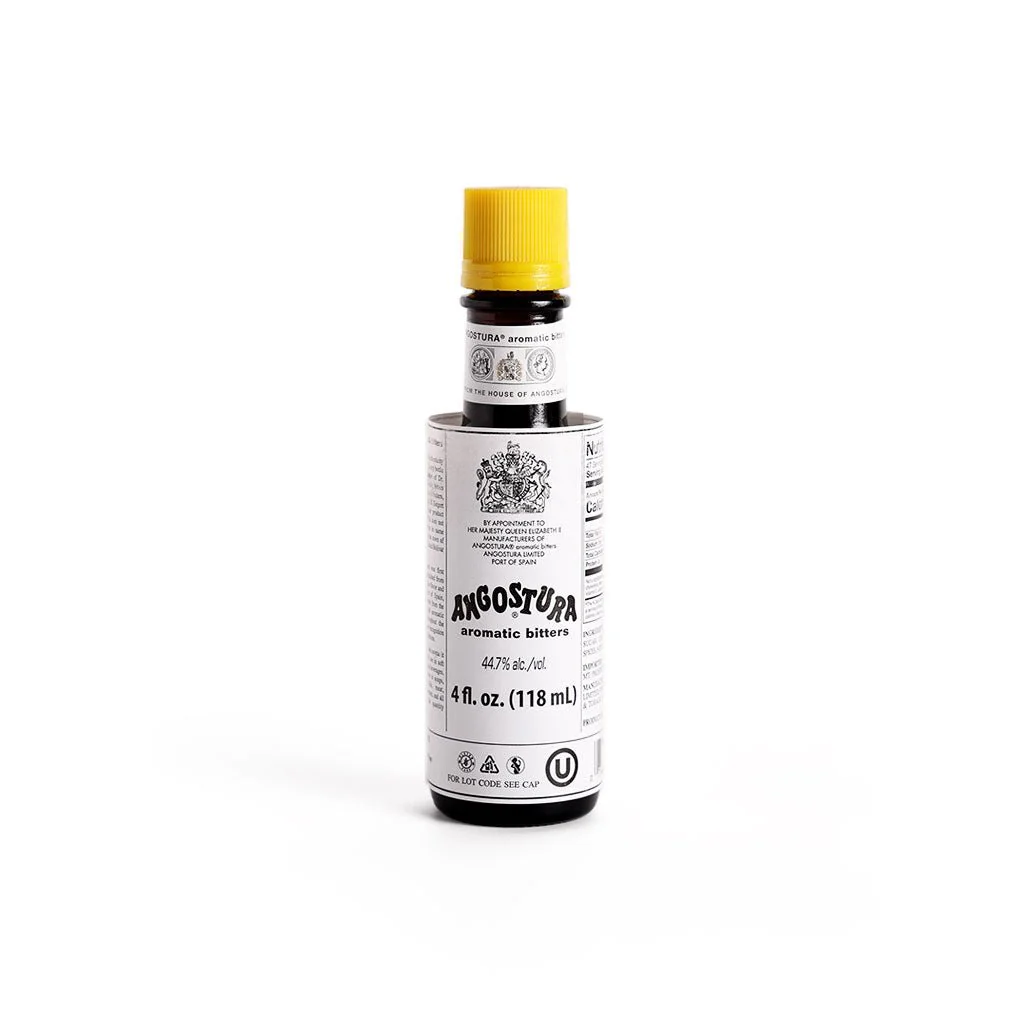
The canonical 4 oz bottle with the oversized paper label. Two-day shipping from Amazon.
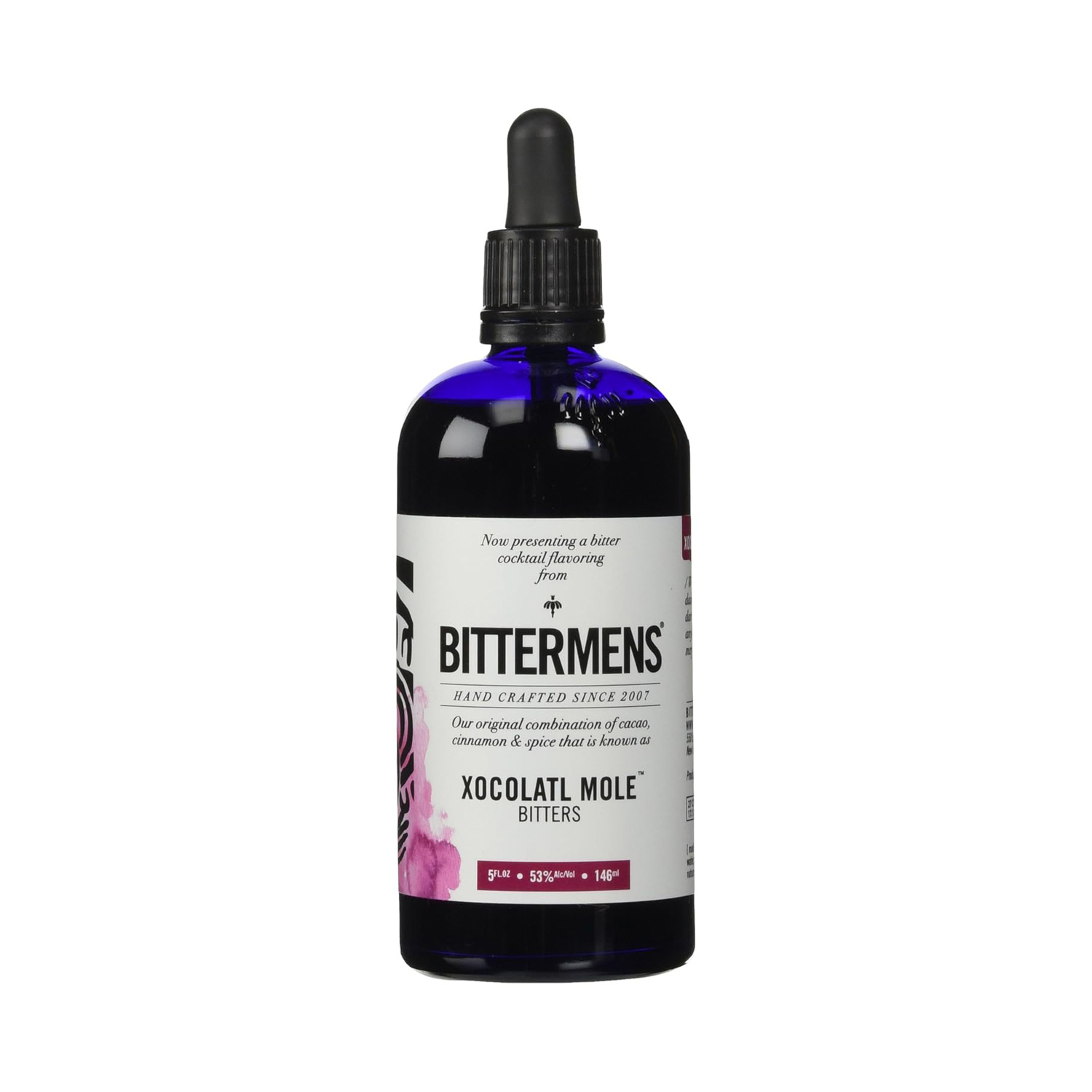
The chocolate-chile bitters that anchored the modern revival’s mezcal and aged-rum cabinet. ’Elemakule Tiki Bitters and Hopped Grapefruit are the next two to pick up.
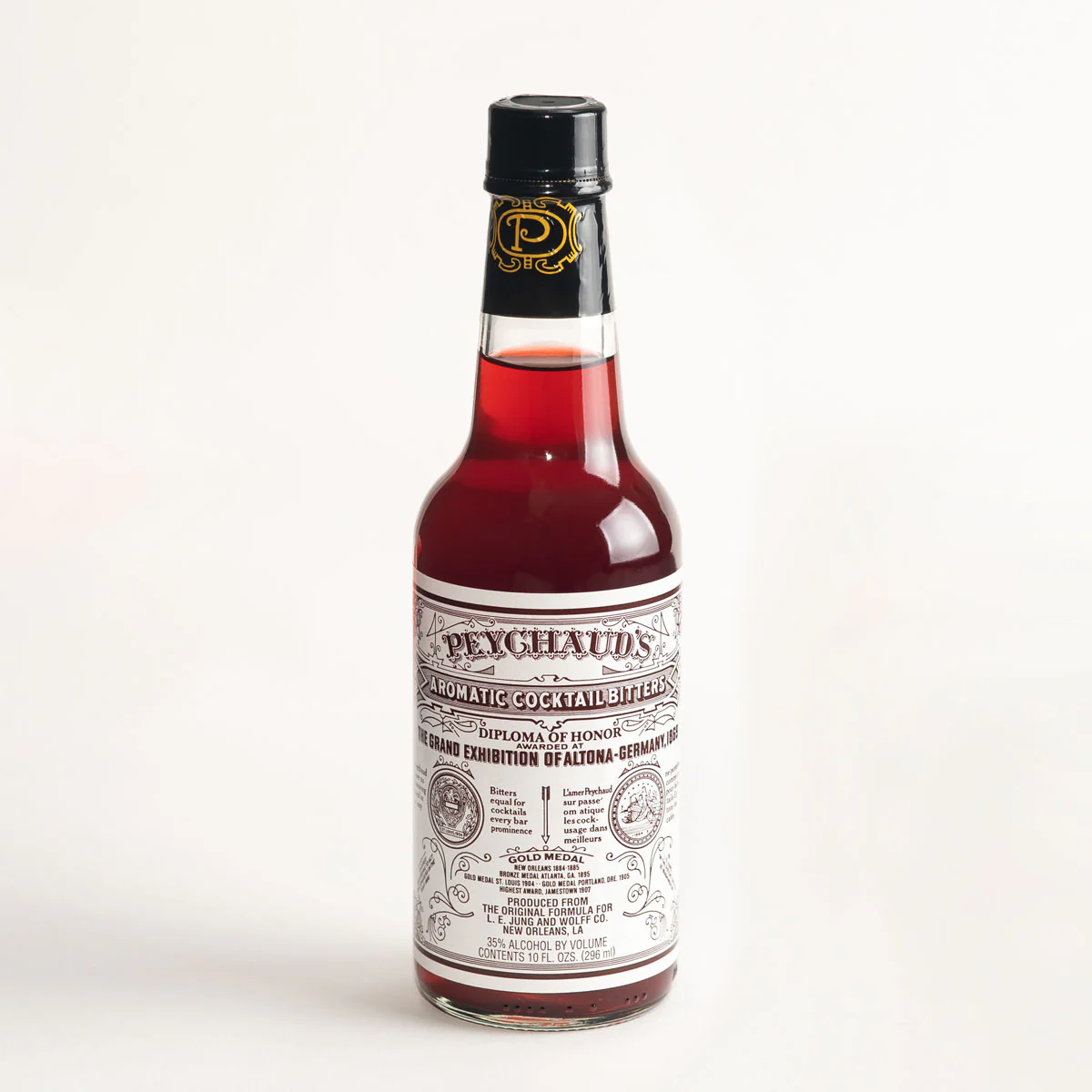
Every well-stocked liquor section carries it. The 10-oz bottle is the standard home-bar size and lasts years at two-three dashes per drink.
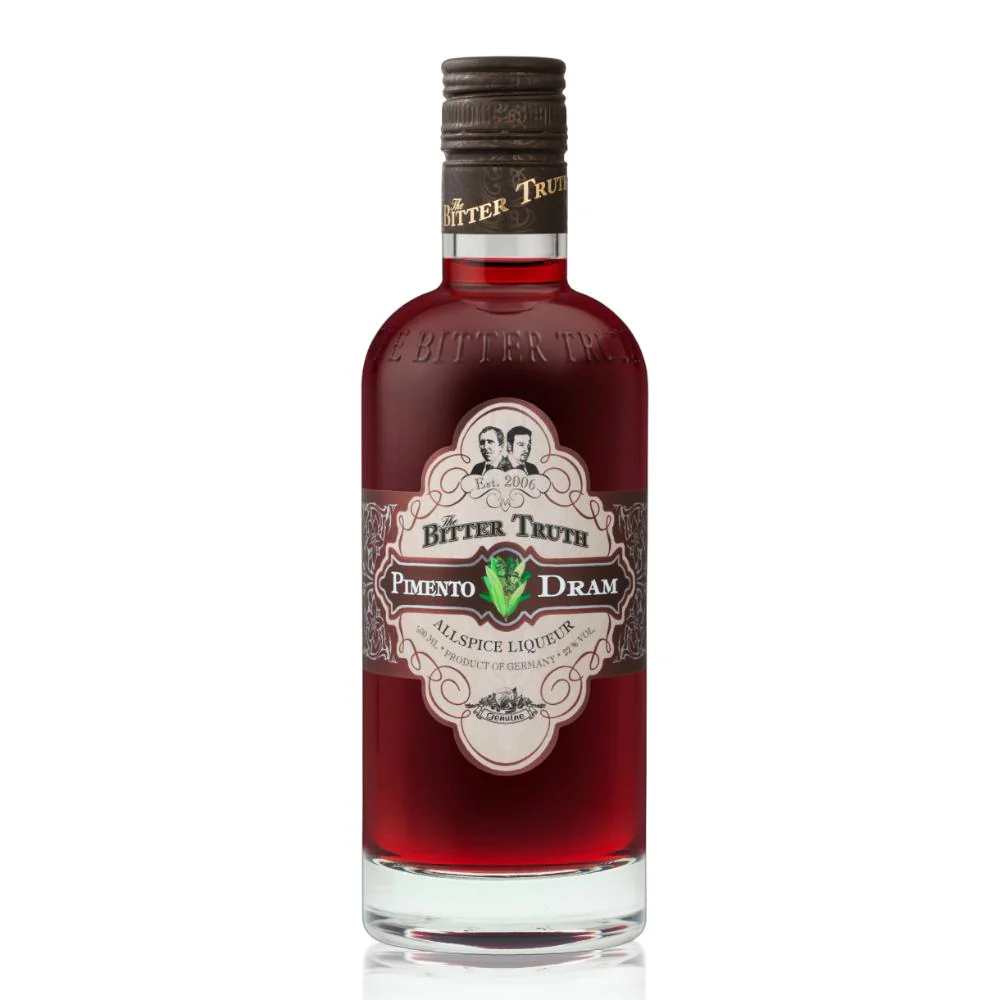
The essential Jamaican-style allspice liqueur for Lion’s Tail, Jamaican Old Fashioneds, and Mai Tai variants. Aromatic, Creole, and Jerry Thomas Decanter bitters round out the cabinet.
The only authorized source for new Munktiki mugs. Watch the email list for drops—limited and collaboration pieces sell out fast. $35–75 standard production; $80–150 limited and bar-collaboration.
Watch for announced drops. Releases are small and sell out within hours. $100–200 standard; collaboration and limited pieces reach $300+. Tiki Oasis (San Diego, August) and Hukilau (Florida, June) are the in-person release windows.
The house catalog runs $15–40 per mug, well below the boutique-studio tiers. Licensed restaurant mugs (Trader Sam’s, others) sold at the venue, not online direct.
$15 each, $25 for the pair. The yellow (lemon) and green (lime) sizes cover the full citrus range. Don’t buy the knockoffs—the Amco castings and hinges last.
~$25. The basic electric citrus juicer—motorized cone, dishwasher-safe parts, takes a charge of limes through fast. Not a workhorse over years, but solid for occasional volume juicing.
Intermittent availability and variable quality from various sellers. Cocktail Pirate is the safer source for the real thing; Amazon is for opportunistic finds.
~$150. Commercial-grade build (die-cast metal arm, quiet induction motor, dual reamers). The lifetime electric citrus press for the home bartender serious about batch juicing.
Stocks the Leopold Jigger, Koriko shaker, and Hoffman strainer with fast shipping. Direct has the full catalog; Amazon has the staples.
~$50. Adjustable pulp screen (low / medium / high), final-drop spout that stops drip, dishwasher-safe parts. The home-bar workhorse for regular batch juicing.
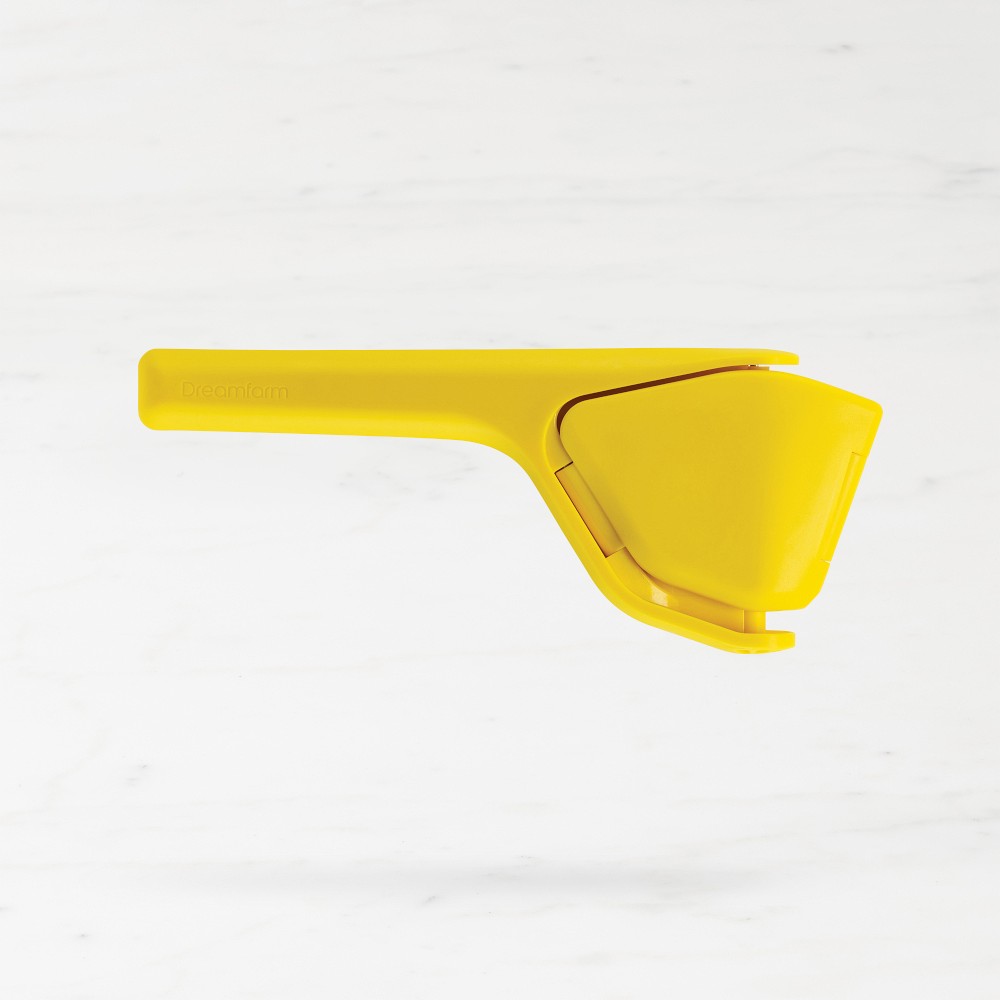
Chris’ daily-use hand juicer. The fold-flat hinge stores in a drawer where the Amco can’t; the press geometry needs less wrist torque for the same extraction. Available in lime green and lemon yellow. ~$25 each.
The standard single-spindle ($110–140). The cheapest meaningful upgrade a home tiki bar can make. The 950 multi-speed variant is also on Amazon for $150–180.
$14–18. The one Microplane that handles 90% of cocktail garnish work—fresh nutmeg, citrus zest, the small-tooth rasp. Spice Grater and Coarse Grater also stocked.
The fastest starting kit—shaker, jigger, strainer, bar spoon, muddler. $50ish; the working starter bar.
$13. The 2-inch silicone cube tray that put bar-quality ice in home freezers. Sphere molds ($15) and the Stainless Lewis Bag ($25) also on Amazon at consistent pricing.
The heavy Boston rocks glass and Manhattan stemmed cocktail glass are the two that read most period-correct on a tiki bar. Generally $1–2 more per piece than the Libbey equivalent and visibly more deliberate.
The Old Fashioned (5135), Collins (23286), Hurricane (3717), and Coupe (7500) are the four that justify themselves first. Four-packs of any standard run $15–25.
The thistle-shape tasting glass used by master blenders at Appleton, El Dorado, and most serious rum houses. About $30 per glass. A matched set of four is the right tool for comparative rum tasting.
The gold-standard cocktail cherry. Dark, brandied Marasca cherries in dense syrup—nothing like the corn-syrup-and-red-dye product American grocery stores sell as ’maraschino cherries.' The 400 g jar is the workhorse size.