Curated Spotify and Apple Music playlists keyed to the journey paths (initiate, practitioner, high priest) and the bar-night moods. Music that pairs with the drink you’re making.
Listen
The Sounds of Exotica
Exotica is the music that scored Polynesian Pop, and like the cocktails themselves it is a non-Polynesian imagining of Polynesia. The architects—Baxter, Denny, Lyman, Sumac, Esquivel—invented a sound between 1950 and 1960 that every tiki bar of the last seventy years has played at some point. Start here.
Defining Artists
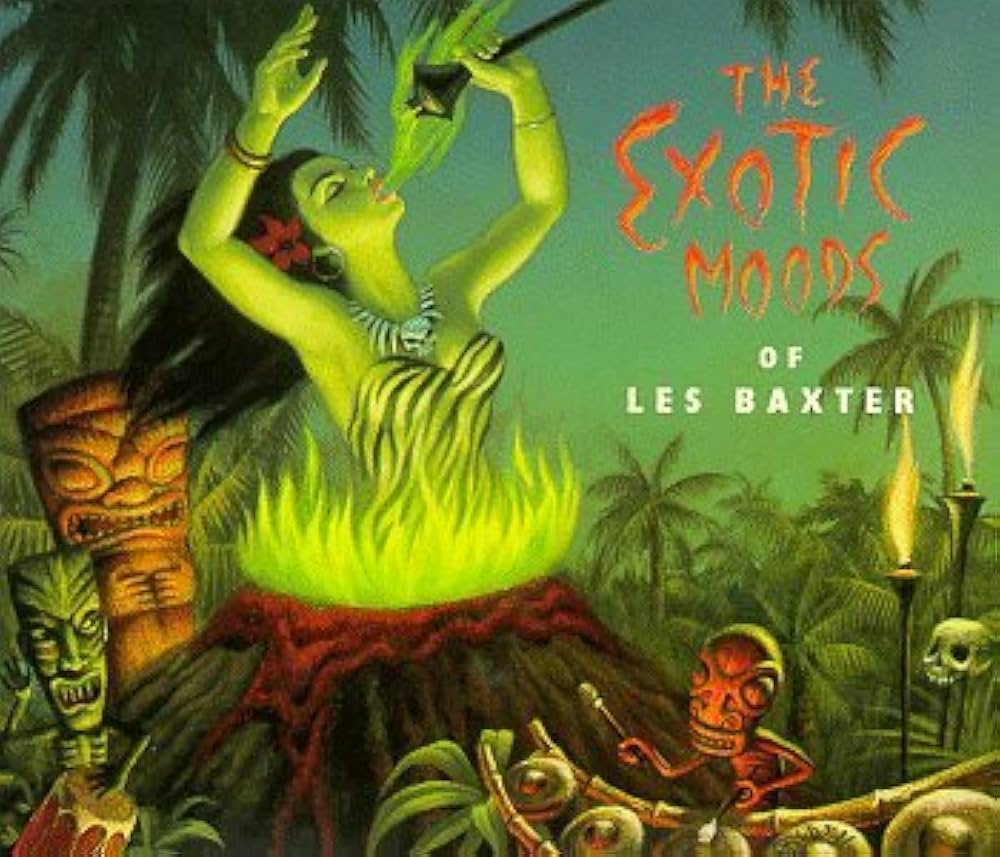
Les Baxter
The composer-arranger who invented Exotica as a recording genre. Ritual of the Savage in 1951 was the first album to position non-Western percussion, bird calls, and orchestral pop as a single American sound. Everything that followed—Denny, Lyman, the entire Polynesian Pop soundtrack—traces back to Baxter.
Essential: Ritual of the Savage (Le Sacre du Sauvage) (1951) Read →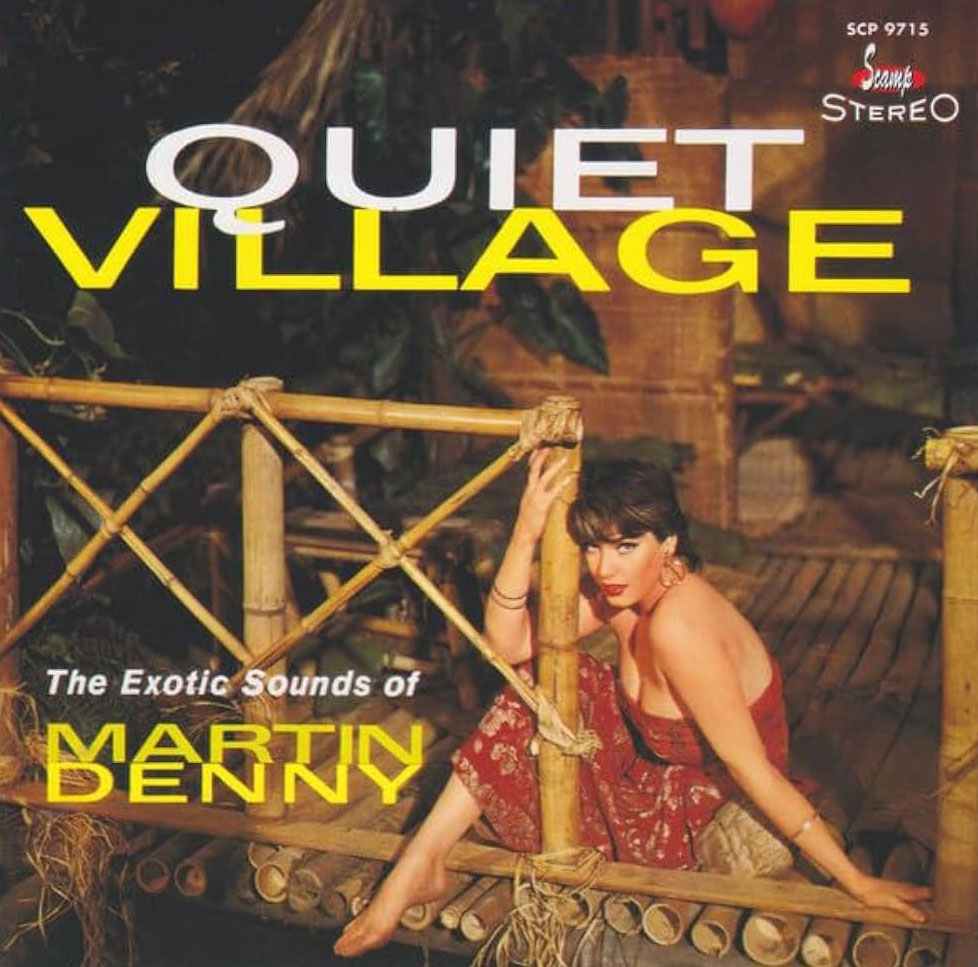
Martin Denny
Chris’ PickThe pianist whose 1957 album Exotica gave the genre its name and its definitive sound. Bird calls, congas, vibraphone, and Polynesian-imagined arrangements recorded live at Henry J. Kaiser’s Shell Bar in Honolulu. The record stayed on the Billboard charts for over a year and made Exotica into a category.
Essential: Exotica (1957) Read →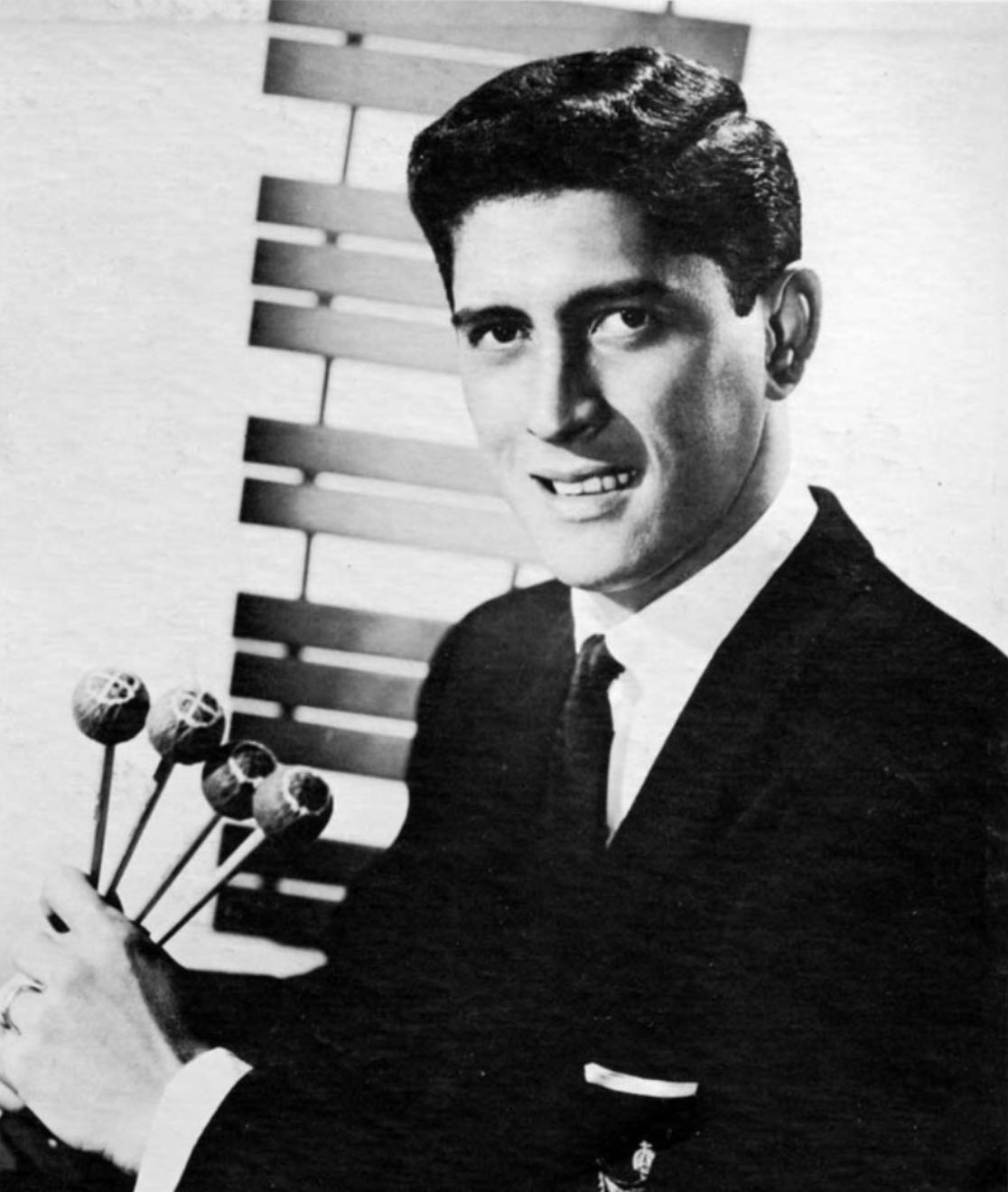
Arthur Lyman
The vibraphonist who anchored Martin Denny’s Shell Bar combo and then went solo with Taboo in 1958, a record that arguably out-Dennied Denny. Lyman’s sound—more percussion, looser arrangements, recorded live at the Henry J. Kaiser Aluminum Dome—became its own strand of Exotica.
Essential: Taboo (1958) Read →
Yma Sumac
The Peruvian soprano with a documented multi-octave range whose 1950 Capitol debut Voice of the Xtabay made her an international star and gave Exotica its most singular vocal presence. Arranged and conducted by Les Baxter, the record is the first place in mid-century American pop where a non-Western voice was the centerpiece.
Essential: Voice of the Xtabay (1950) Read →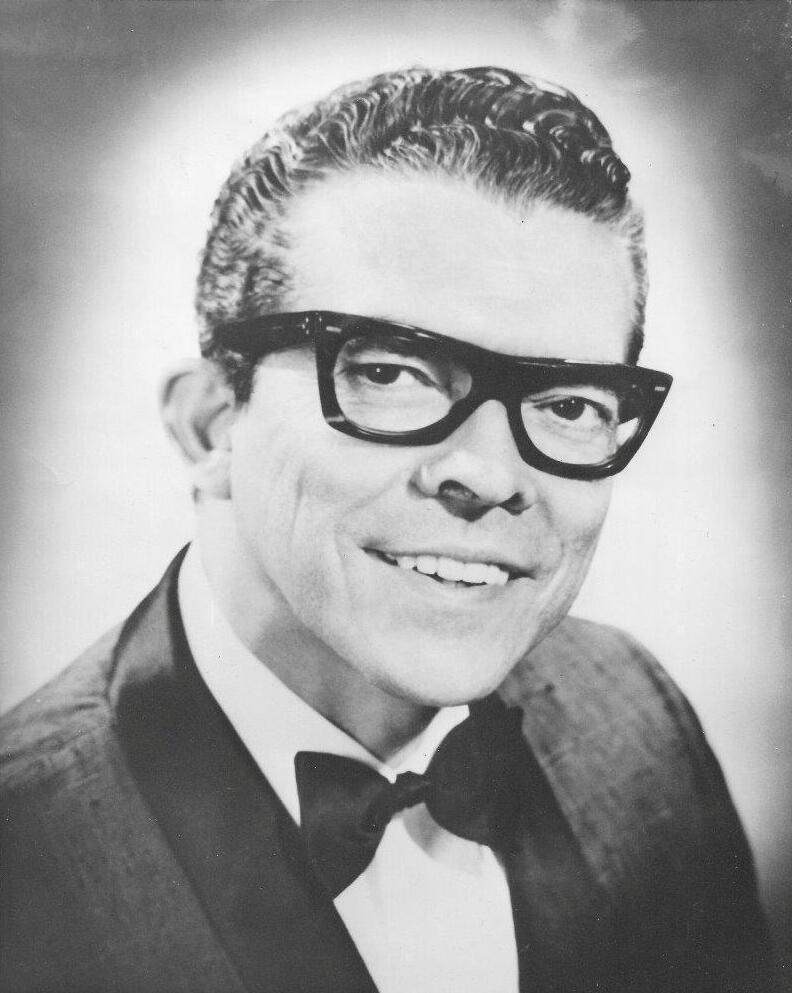
Juan García Esquivel
The Mexican composer-arranger who pushed Exotica into outer space. Esquivel’s stereo-experimental orchestral records from the late 1950s and 1960s—nonsense vocables, channel-bouncing instruments, lounge-pop arrangements at the edge of camp—became the parallel track to Denny’s tropical sound. Without Esquivel, the lounge revival of the 1990s doesn’t happen.
Essential: Other Worlds, Other Sounds (1958) Read →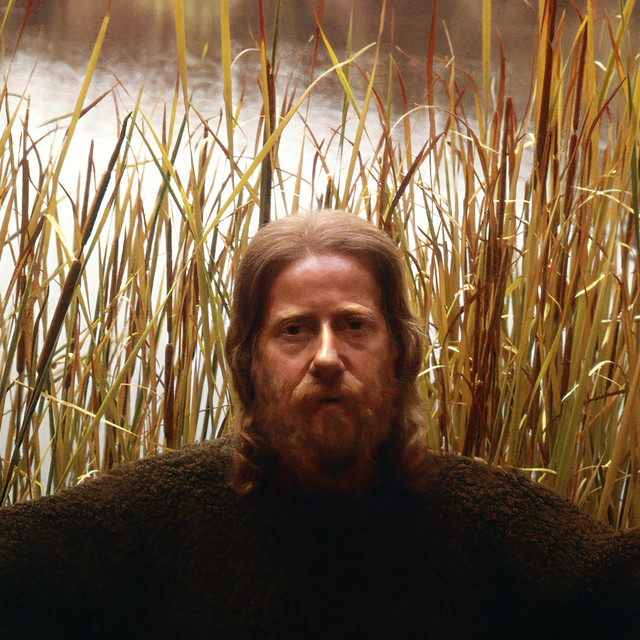
eden ahbez
The proto-hippie composer who wrote ‘Nature Boy’ for Nat King Cole and recorded a single album of tropical mood music—Eden’s Island, 1960—that sits sideways to the canonical Exotica catalog and reads, sixty years later, like the genre’s strangest and most personal entry. A bearded, sandal-wearing, raw-food-eating wanderer who lived under the L in the Hollywood Hills and built a small body of work that pop and exotica have both claimed.
Essential: Eden’s Island (1960) Read →Notable Artists
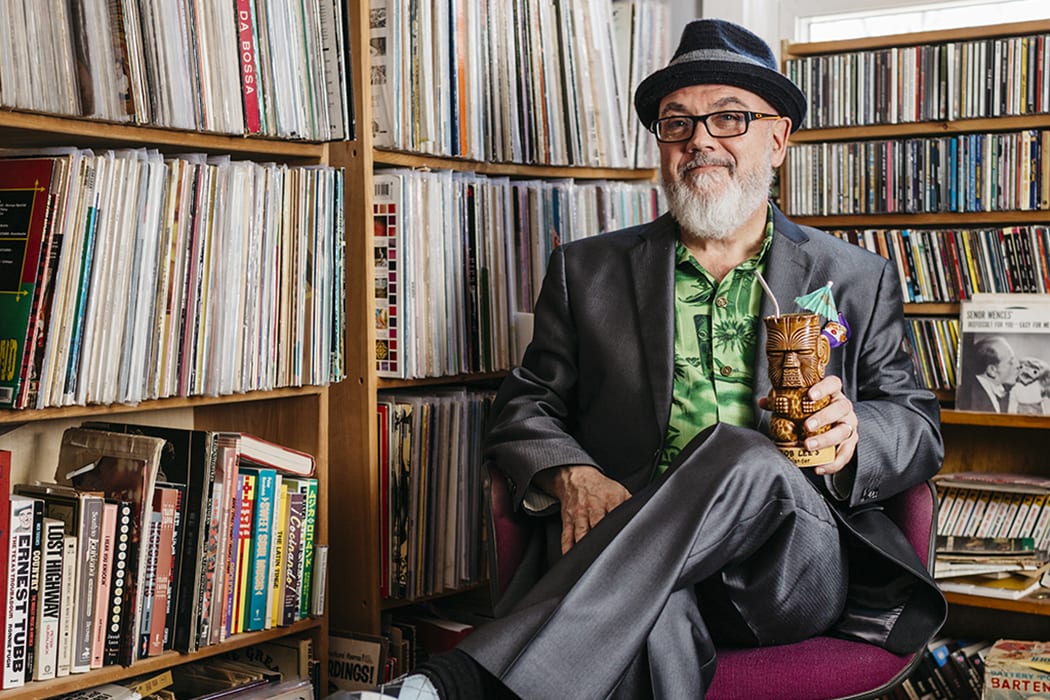
Brother Cleve
The DJ-bartender-multi-instrumentalist of Combustible Edison who connected the 1990s exotica revival to the cocktail revival. Boston-based, encyclopedic, generous—and one of the few figures in either world fluent in both at once.
Essential: I, Swinger (1994) Read →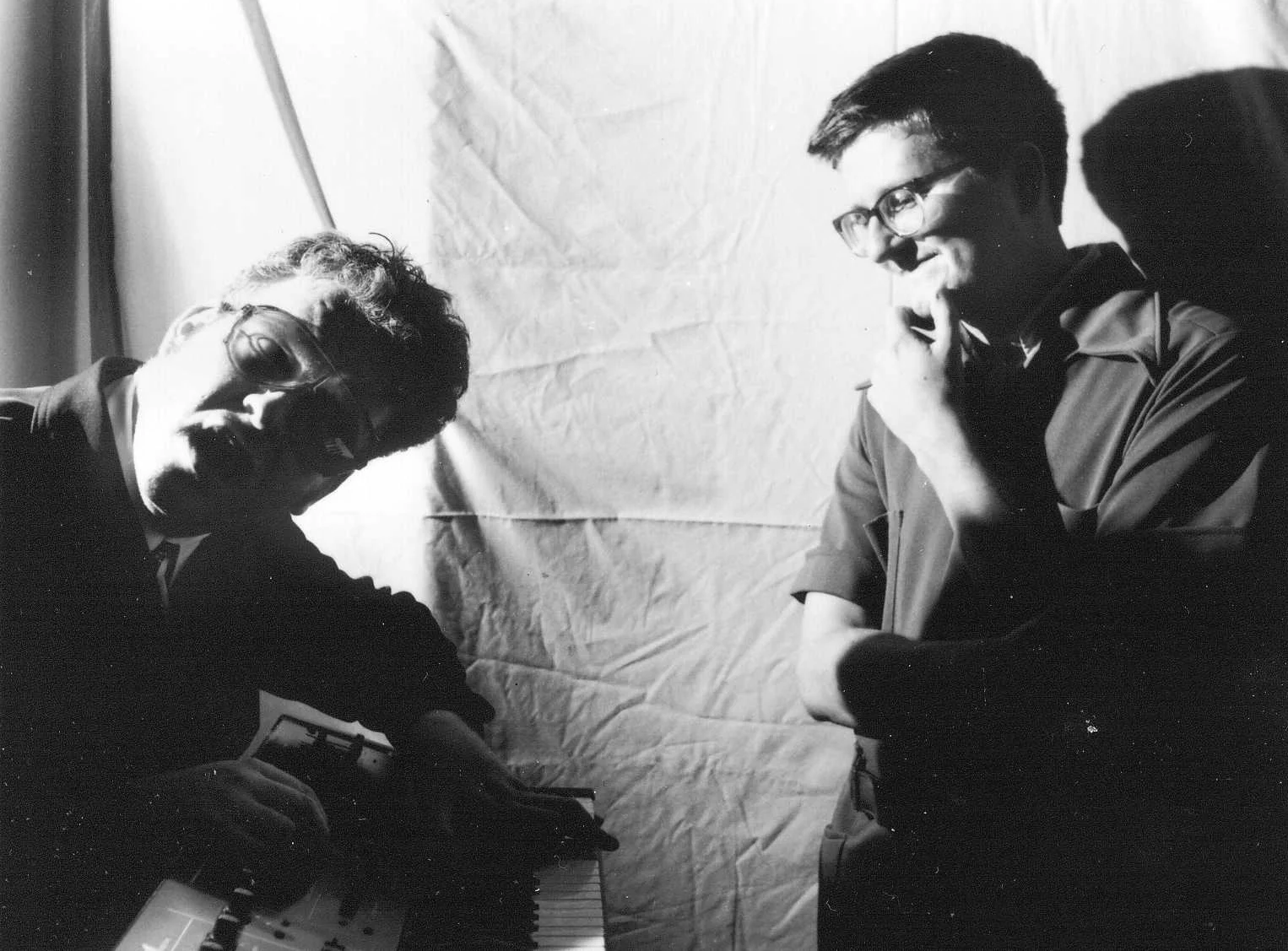
Tipsy
The San Francisco duo of Tim Digulla and David Gardner who reframed the Exotica catalog through sampling and downtempo electronics. The sample-based wing of the 1990s revival—Massive Attack methods applied to the Capitol Records lounge shelf.
Essential: Trip Tease (1996) Read →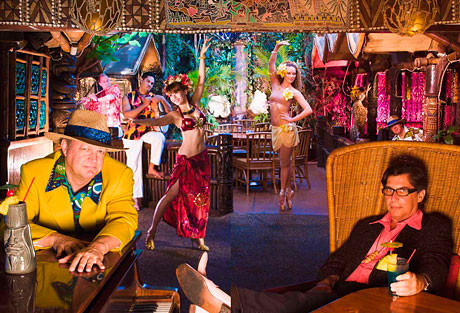
Don Tiki
The Honolulu collective led by Lloyd Kandell and Kit Ebersbach that carried the Shell Bar lineage forward into the revival. A ten-piece-plus ensemble of Hawaiʻi’s working musicians—the modern Exotica band with the most direct claim on cultural continuity with the canonical era.
Essential: The Forbidden Sounds of Don Tiki (1997) Read →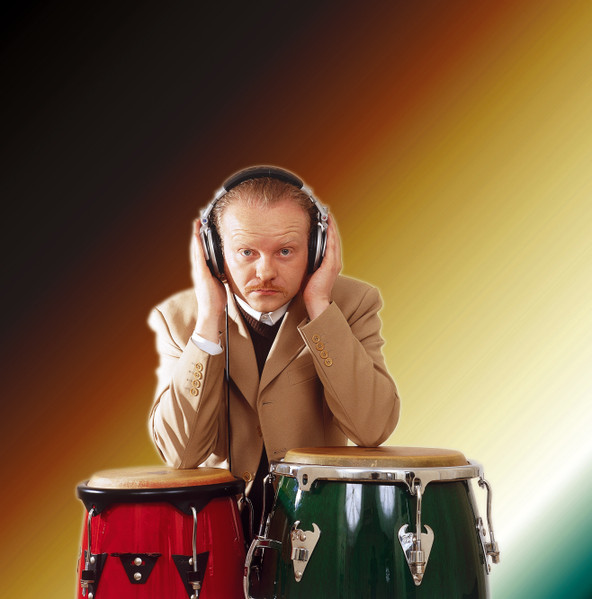
Señor Coconut
The Latin-orchestra alias of German electronic producer Uwe Schmidt, working from Santiago, Chile. Best known for recasting Kraftwerk’s catalog as cha-cha and merengue—the conceptual outer edge of the Exotica revival.
Essential: El Baile Alemán (2000) Read →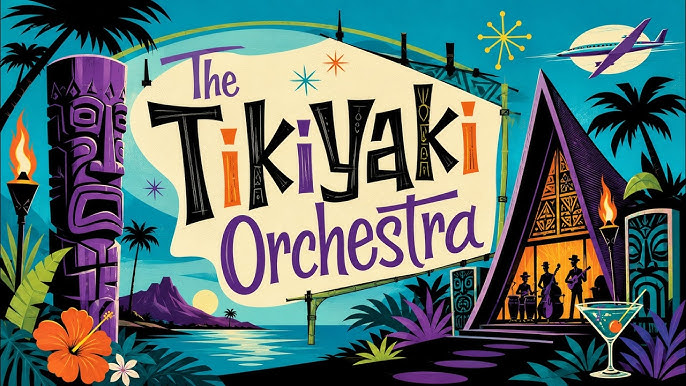
The Tikiyaki Orchestra
Jim Bacchi’s Los Angeles ensemble that brought Exotica back to live big-band performance and became the house band of the modern tiki-festival circuit. The Les Baxter side of the genre’s founding binary, scaled up for the contemporary era.
Essential: StereoExotique (2008) Read →Genre-Adjacent
Essential Albums
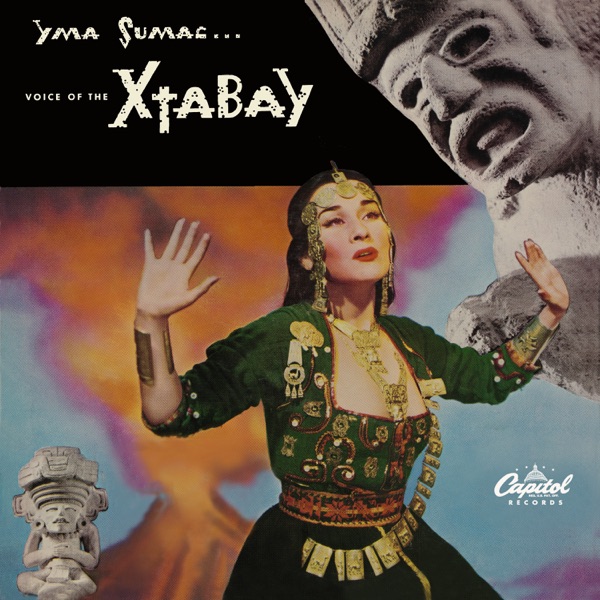
Voice of the Xtabay
Yma Sumac’s 1950 Capitol debut. Les Baxter wrote the arrangements; Sumac sang in Quechua and invented vocables across at least four documented octaves. The earliest record in the modern Exotica canon and the first time a non-Western voice carried a mid-century American pop record’s full center.
Read →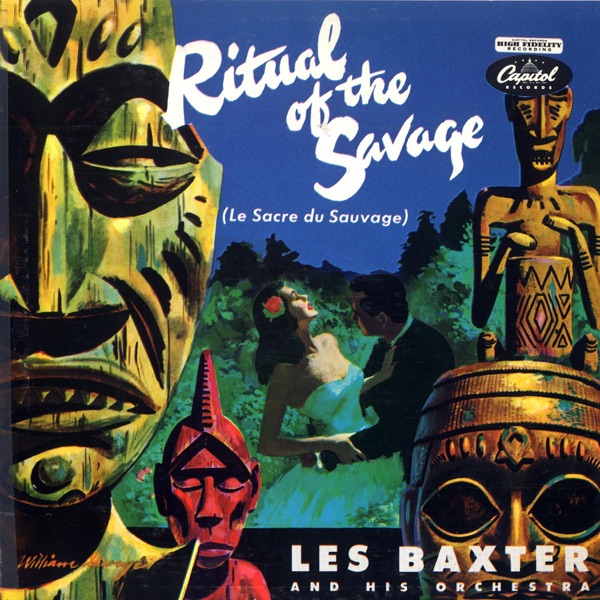
Ritual of the Savage
Les Baxter’s 1951 Capitol concept album—the founding document of Exotica. Twelve tracks of orchestral mood music about places Baxter had never visited, anchored by ‘Quiet Village’ in its original orchestral form. The record every subsequent Exotica album responds to.
Read →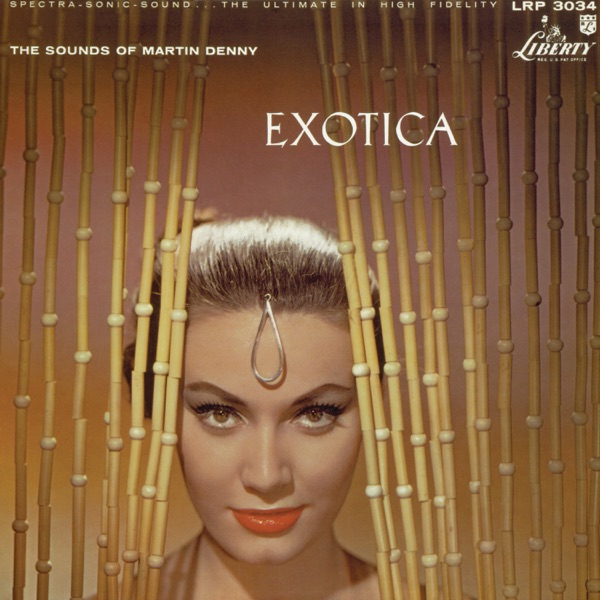
Exotica (Martin Denny)
Chris’ PickMartin Denny’s 1957 Liberty debut. Recorded at the Shell Bar in Honolulu, named the genre, and stayed on the Billboard Top 200 for 90 weeks. The album that took Baxter’s orchestral concept and translated it into a small-combo working-bar register that the whole genre would imitate.
Read →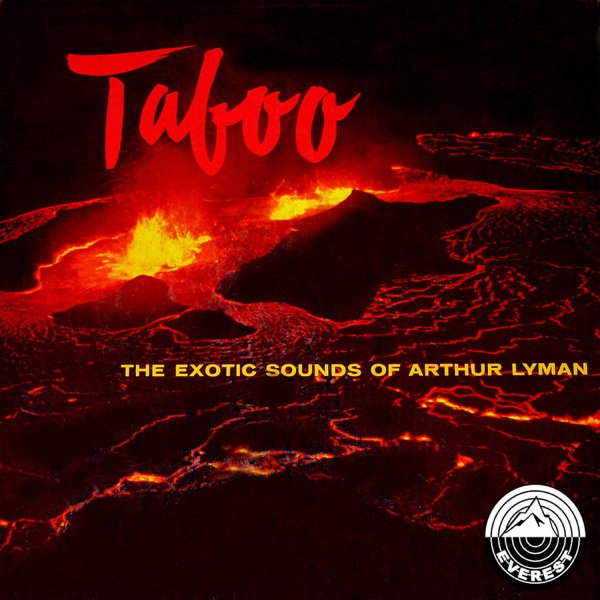
Taboo
Arthur Lyman’s 1958 Hi-Fi Records debut. Recorded live inside the geodesic Kaiser Aluminum Dome on Waikīkī—two seconds of natural reverb, two omnidirectional microphones, no overdubs. The album sold over two million copies and opened a second front of Exotica that ran parallel to Denny’s combo pop for the rest of the genre’s golden era.
Read →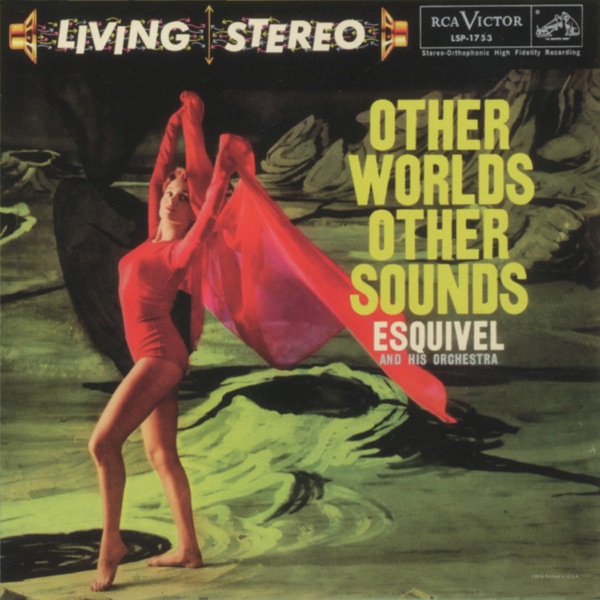
Other Worlds, Other Sounds
Juan García Esquivel’s 1958 RCA Victor debut for the American market. Designed from the ground up for stereo—channels bouncing instruments, wordless ‘zu-zu-zu’ choir, slide whistles and Hammond organ panning between speakers. The parallel track to Denny’s tropical Exotica; the founding document of space-age bachelor pad music.
Read →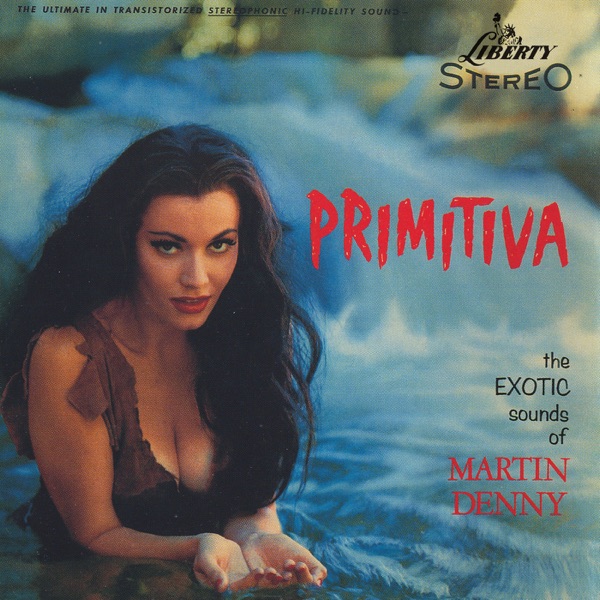
Primitiva
Martin Denny’s 1958 follow-up to Exotica. Recorded with a refined Shell Bar combo after Arthur Lyman’s departure (Julius Wechter on vibes), the album leans harder into percussion and produces what many fans consider the strongest single Denny statement. The genre’s mid-1958 mature register.
Read →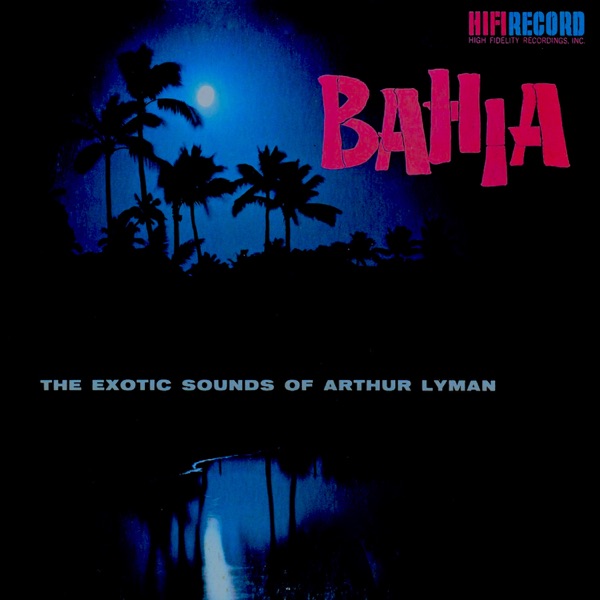
Bahia
Arthur Lyman’s 1959 Hi-Fi Records third album—the deepest percussion work in Lyman’s catalog and arguably the strongest single document of the Kaiser Aluminum Dome sound. Pulls more aggressively on Brazilian-and-Latin-American material than the prior Lyman records, with longer instrumental passages and the most spacious arrangements of his early career.
Read →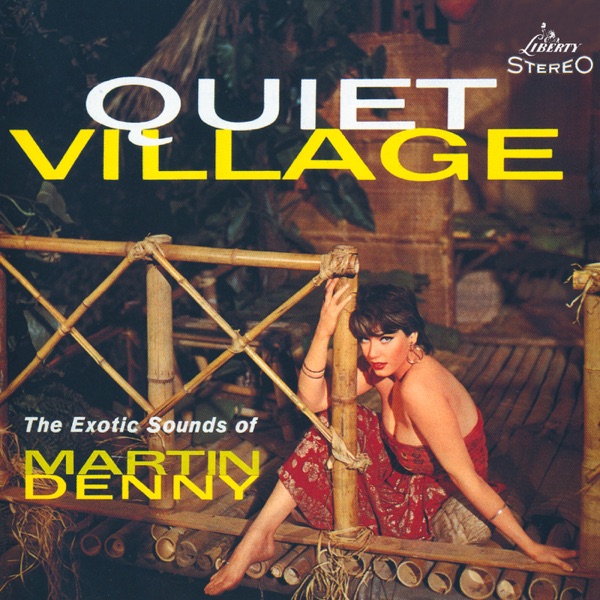
Quiet Village (Martin Denny)
Chris’ PickMartin Denny’s 1959 Liberty Records album—recorded in the wake of the ‘Quiet Village’ single’s top-5 chart success. A more produced, more arranged record than Exotica or Primitiva, built around the hit single in a re-recorded studio arrangement. The album that took Exotica all the way into the American pop mainstream.
Read →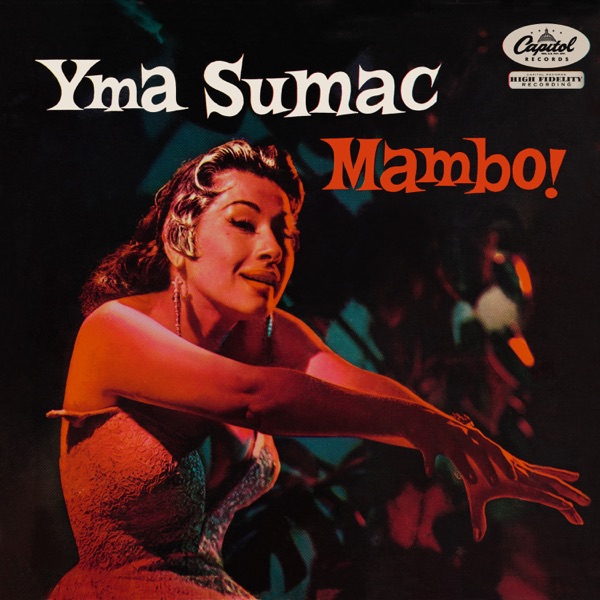
Mambo!
Yma Sumac’s 1954 Capitol Records collaboration with Tito Puente—the Peruvian soprano and the Latin-music bandleader meeting in the studio for an album of Afro-Cuban mambo workouts. Produced Sumac’s top-40 single ‘Goomba Boomba’ and pulled her catalog into broader Latin-pop circulation.
Read →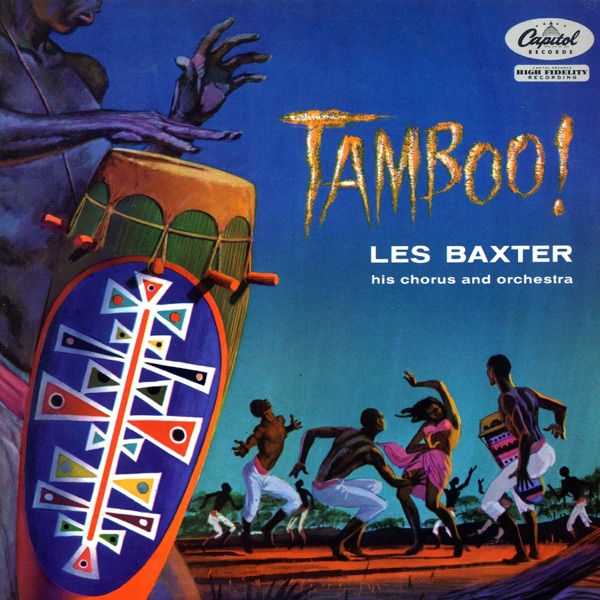
Tamboo!
Les Baxter’s 1955 Capitol Records follow-up to Ritual of the Savage. Where Ritual led with orchestral mood and birdcalls, Tamboo! leads with percussion—drum-and-conga-heavy arrangements that anticipate the small-combo Exotica idiom Martin Denny would lock in two years later. The bridge between Ritual’s orchestral-pop and Denny’s combo-pop.
Read →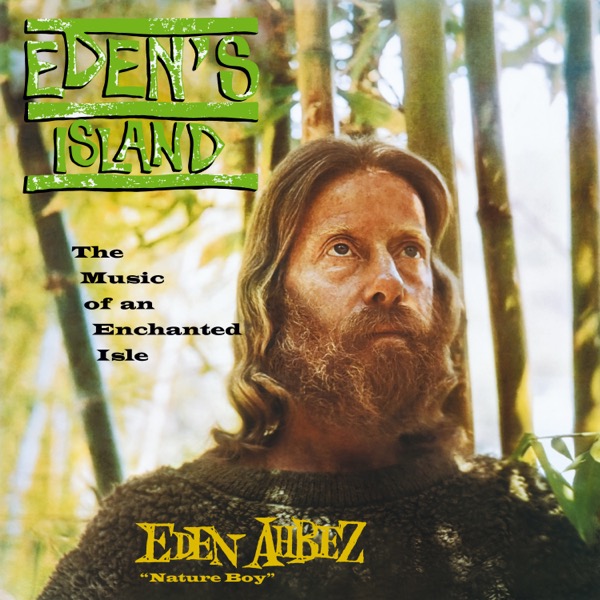
Eden’s Island
Chris’ Pickeden ahbez’s only album under his own name. Del-Fi Records, 1960—twelve tracks of half-spoken, half-sung tropical meditations over orchestral exotica arrangements, including ‘Eden’s Cove,’ ‘Tradewind,’ ‘Full Moon,’ and the strangest single track in the genre’s catalog, ‘Mongoose.’ Quietly received in 1960; retroactively canonized in the 1990s lounge revival as the most personal and singular record in the early-1960s Exotica conversation.
Read →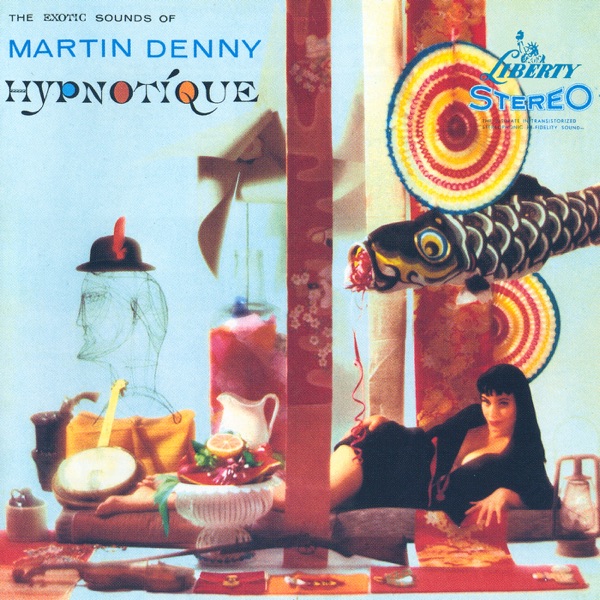
Hypnotique
Martin Denny’s 1959 Liberty Records release—the strangest entry in the Denny catalog. Where Exotica and Primitiva had established the small-combo Shell Bar idiom and Quiet Village had pulled it toward pop, Hypnotique leans the other direction, deeper into mood and weirder textures. The Denny record for listeners who want the catalog at its most adventurous.
Read →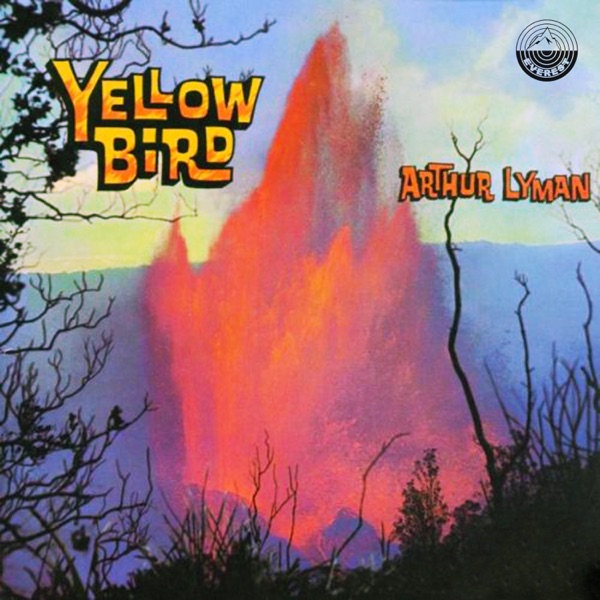
Yellow Bird
Arthur Lyman’s 1961 Hi-Fi Records breakthrough—the album built around the top-5 single ‘Yellow Bird,’ which gave Lyman his biggest mainstream hit. A more produced, shorter-form record than the Kaiser Aluminum Dome era, marking Lyman’s transition into a more pop-shaped second phase of his career.
Read →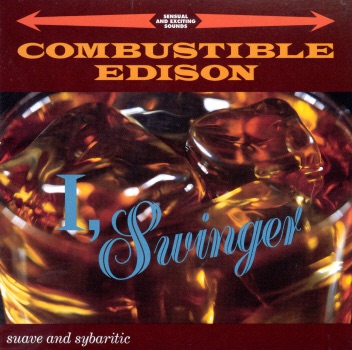
I, Swinger
Combustible Edison’s 1994 Sub Pop debut—the album that launched the 1990s lounge revival and made cocktail-instrumental music a contemporary cultural category again. Brother Cleve, Liz Cox, and Michael Cudahy assembled a tuxedo-and-cocktail-dress aesthetic and a manifesto-grade liner-notes argument to go with the music. The founding document of the revival.
Read →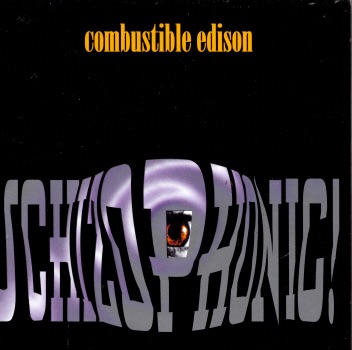
Schizophonic!
Combustible Edison’s 1996 Sub Pop follow-up to I, Swinger—more ambitious, more produced, more divisive. Where the debut had set the lounge-revival template, Schizophonic! pushed harder into Esquivel-style stereo experimentation, electronic textures, and longer-form compositions. The album where the band proved the move wasn’t a one-record concept.
Read →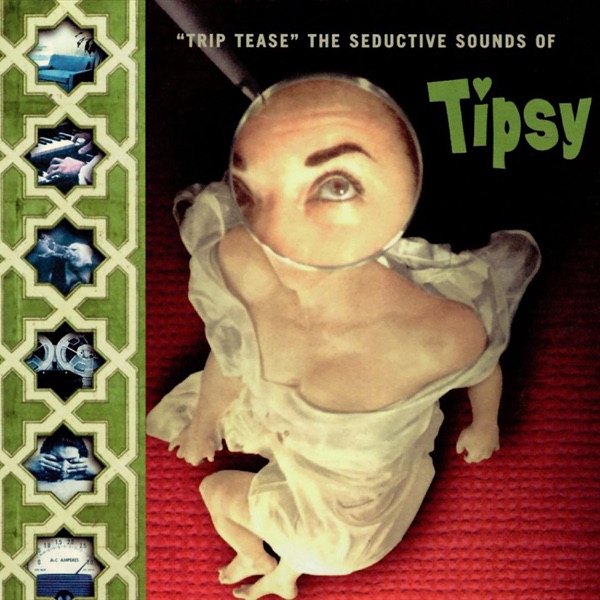
Trip Tease
Tipsy’s 1996 Asphodel Records debut—Tim Digulla and David Gardner’s sample-based reframing of the Exotica catalog. The founding document of the sample-based wing of the 1990s revival and the bridge between Exotica’s vintage recordings and the trip-hop / downtempo electronic scene the duo was working in.
Read →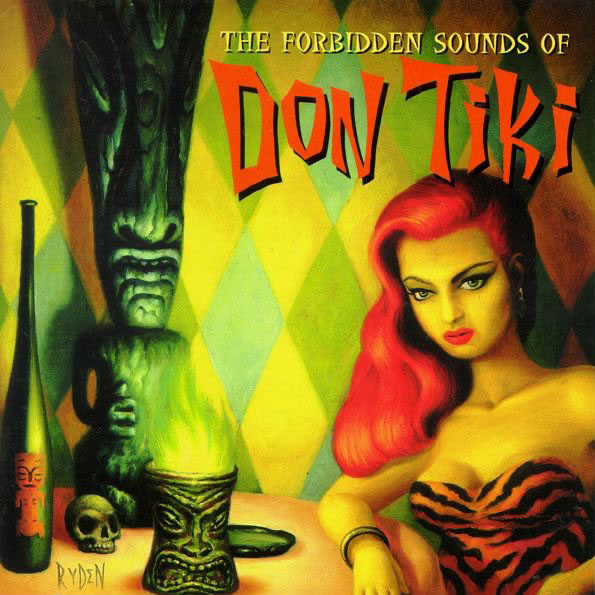
The Forbidden Sounds of Don Tiki
Don Tiki’s 1997 Tikiphonic Records debut—Lloyd Kandell and Kit Ebersbach’s Honolulu-based ten-piece-plus ensemble carrying the Shell Bar and Kaiser Aluminum Dome lineage forward by another quarter-century. The Hawaiʻi-based revival’s founding document and the closest the modern Exotica catalog comes to direct cultural continuity with the canonical era.
Read →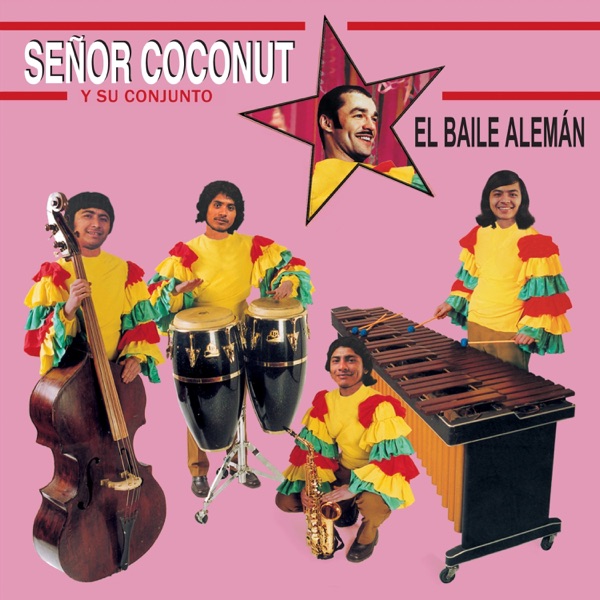
El Baile Alemán
Señor Coconut’s 2000 debut—Uwe Schmidt’s Latin big-band recasting of Kraftwerk’s catalog. Cha-cha and merengue arrangements of ‘The Robots,’ ‘Showroom Dummies,’ ‘Tour de France,’ and the rest, performed by a fictional Latin orchestra produced from Schmidt’s Santiago, Chile studio. The conceptual outer edge of the Exotica revival and the album that proved the tradition could absorb material from genres it had nothing to do with.
Read →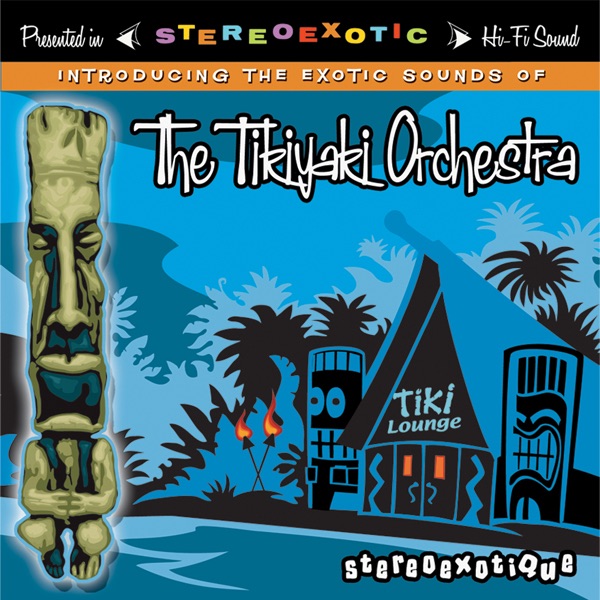
Stereoexotique
Tikiyaki Orchestra’s 2008 debut—Jim Bacchi’s Los Angeles-based big-band ensemble bringing canonical Exotica back to live performance at full orchestral scale. The album that proved Exotica could sustain a touring big-band operation in the contemporary era and anchored the modern tiki-festival circuit’s live-music programming.
Read →