The How-To
Practical, opinionated guides to the parts of the exotic-cocktail world that reward a deeper read—rum styles, home-bar setup, ingredient sourcing, ice and technique. The teach mode that sits between the recipes (do) and the reference library (know).
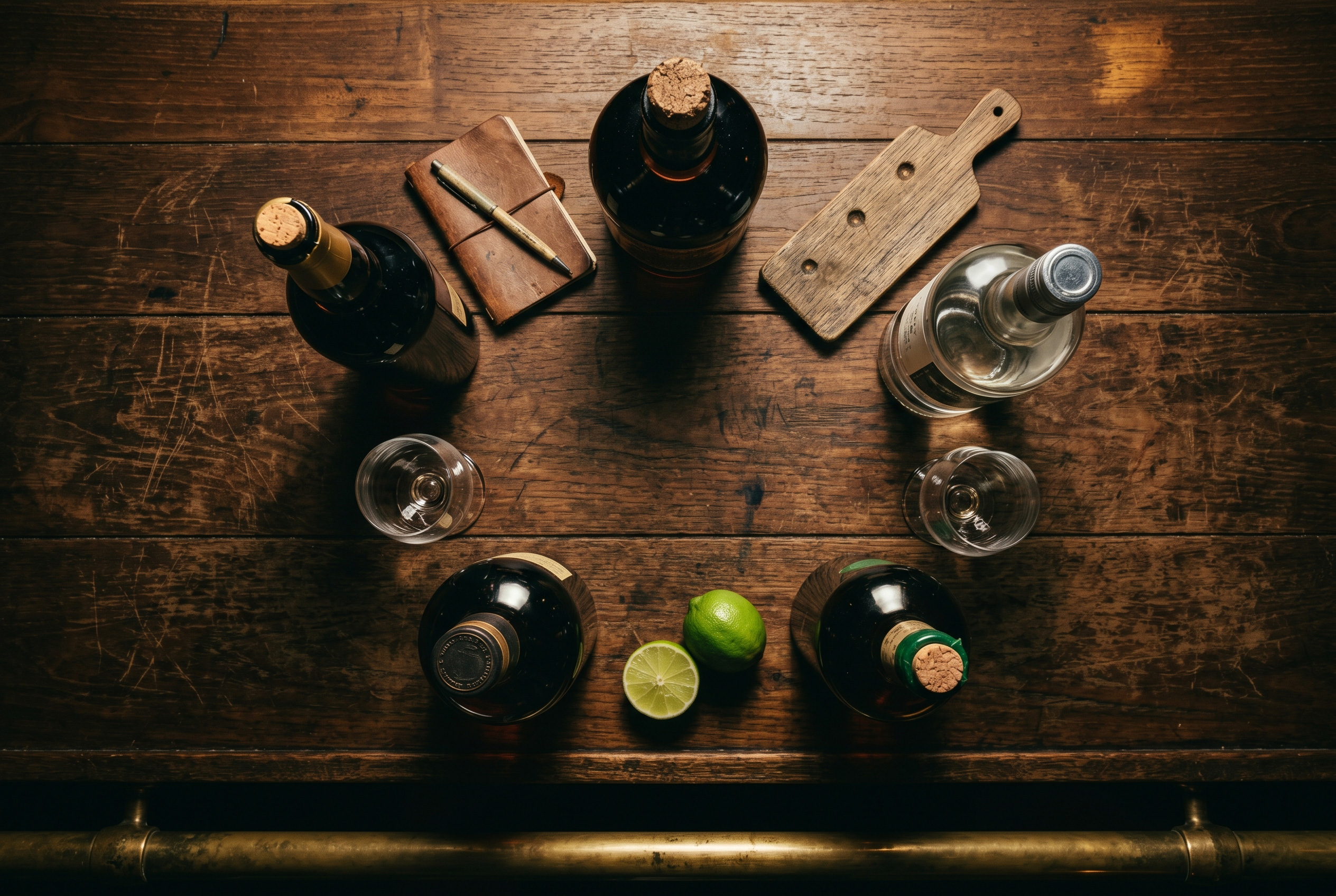
The Rum Guide
What to buy, what to skip, and how the categories actually work
A working guide to rum for the exotic-cocktail home bar. The categories that matter (Jamaican pot still, Demerara, agricole, aged Spanish-style), the specific bottles that anchor each, and the buy order for building from one bottle to a real shelf.
Read →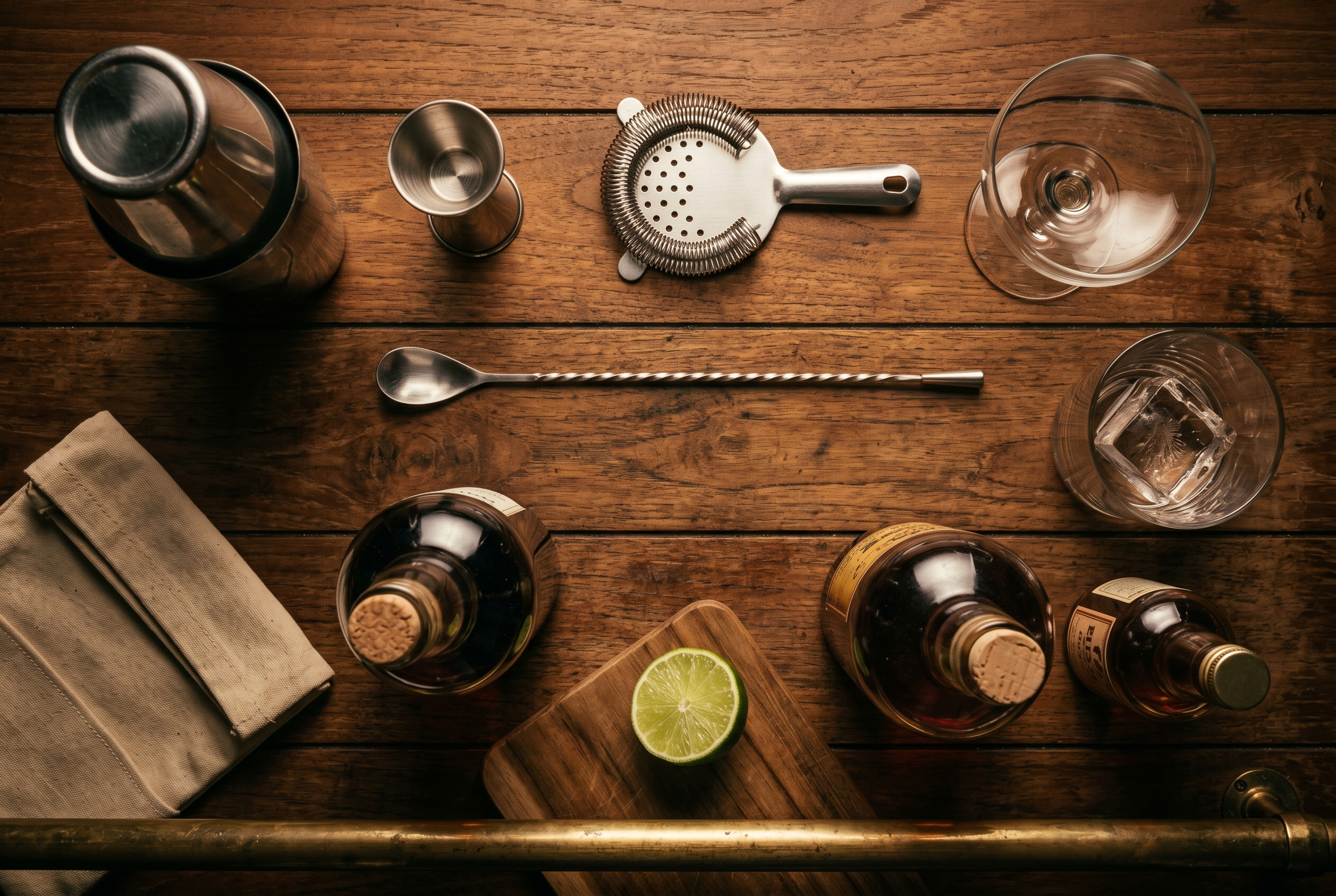
Stocking Your Home Bar
Equipment, bottles, glassware, and what to buy in what order
The full kit for the working exotic-cocktail home bar, sequenced. Tools, bottles, syrups, glassware, ice—what to buy first to start making real drinks, what to add as you grow, and what to skip. About $200 gets you to a real starter bar; about $1,500 cumulative gets you a serious revival-level kit.
Read →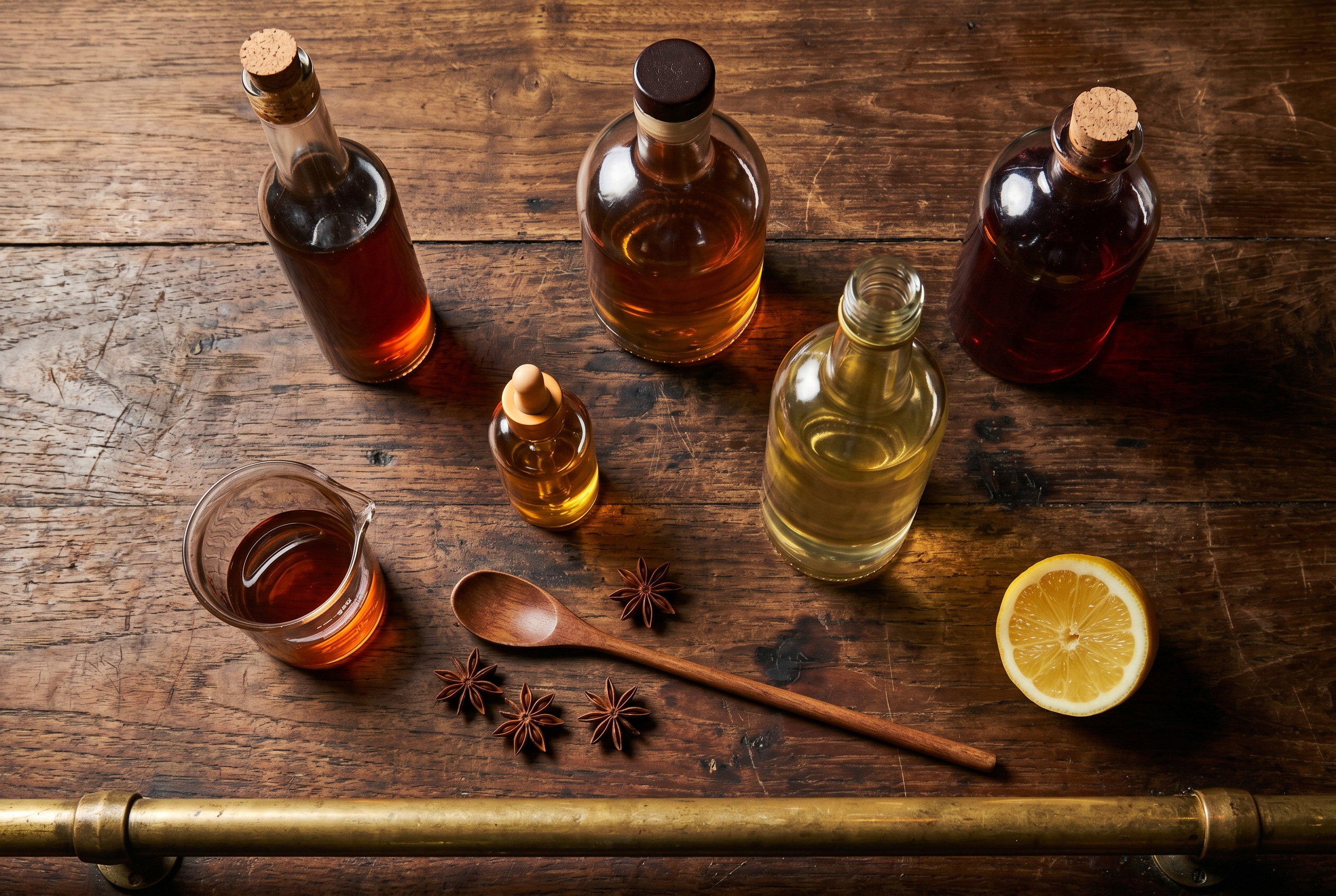
Syrups & Liqueurs
The sweeteners and modifiers that make exotic cocktails what they are
A working guide to the syrups (orgeat, falernum, demerara, passion fruit, honey mix) and liqueurs (curaçao, maraschino, Heering, Bénédictine, Pernod) that anchor the canon. What each does, which bottled versions to buy, which to make at home, and a buy order for building from one bottle to a full shelf.
Read →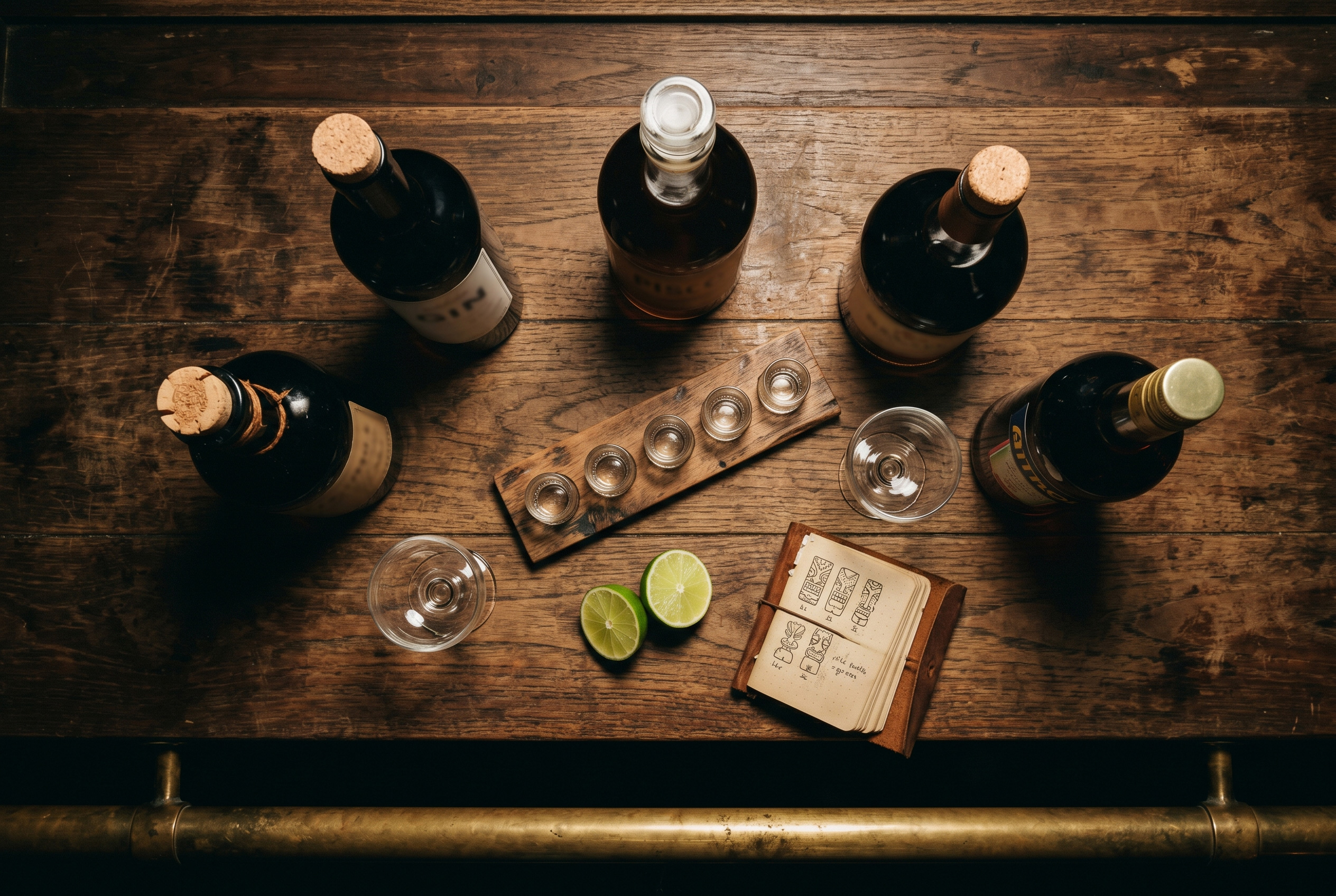
Spirits Beyond Rum
The supporting cast — gin, brandy, tequila, pisco, and the few bourbons that earn a place
Rum dominates the exotic-cocktail canon but doesn’t own it. A working guide to the non-rum spirits the recipes actually call for — where each appears, why it works in the genre, and which bottles to keep on the shelf for the multi-spirit Donn Beach and Trader Vic builds.
Read →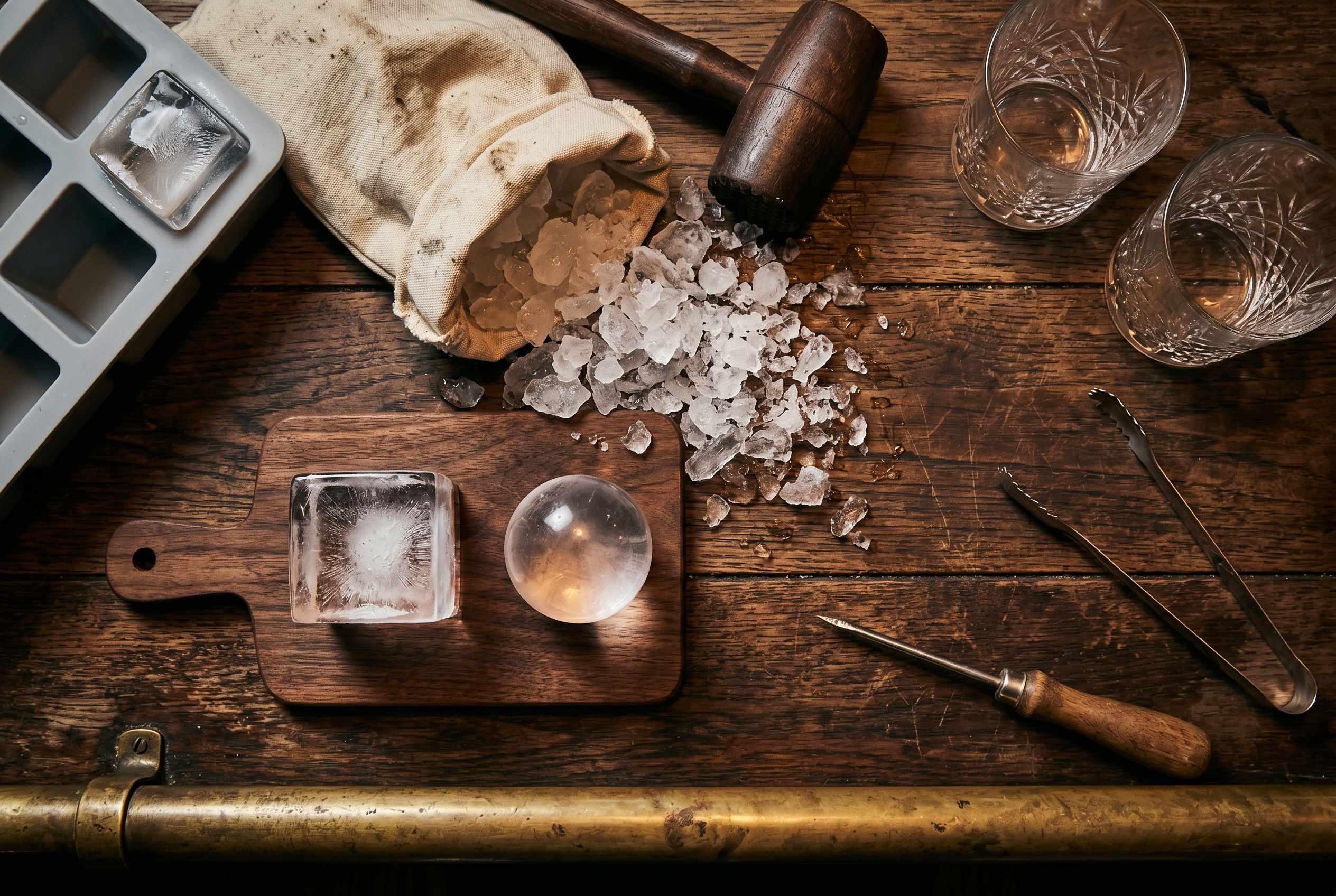
Ice & Technique
The half of bartending the recipe doesn’t spell out
Ice is half the cocktail. Crushed, cubed, cracked, block, cone—each form does different work, and the technique that uses it (shake, stir, swizzle, flash-blend, float) is the rest of the recipe. The architecture half of bartending.
Read →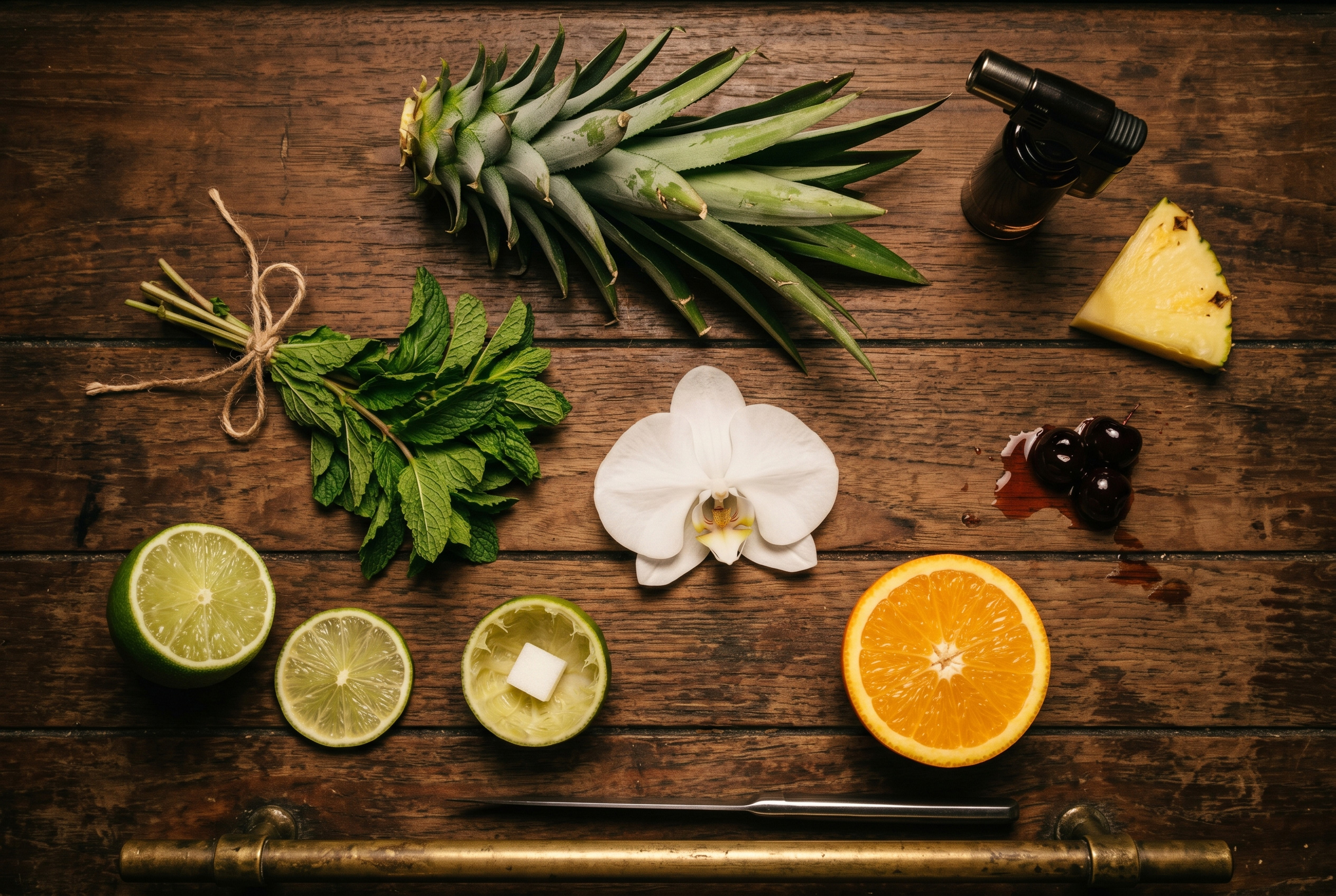
Garnish & Theater
The visual vocabulary that turns a built drink into a served drink
The orchid, the lime hull, the mint sprig, the flaming peel, the paper umbrella, the Morse-code skewer. A working guide to the canonical garnishes of the exotic-cocktail tradition—what each does, where it goes, how to source it, and the difference between garnish-as-theater and garnish-as-load-bearing-recipe.
Read →
Tiki Glassware
The five glasses that hold the canon — and the few specialty pieces worth the shelf space
The bar-glass side of the vessel canon. Double old-fashioned, Collins, hurricane, coupe, footed pilsner — what each shape does for the cocktail, which recipes call for which, and what to buy at each price tier. Pairs with the Tiki Mugs guide for the ceramic side.
Read →
Tiki Mugs — When the Vessel Is the Drink
Six exotic cocktails that earn the ceremony of a tiki mug—plus where to find each one
Tiki mugs aren’t a default treatment. They’re an editorial decision. These six drinks earn the ceremony—the history that justifies it, the pairings that make sense, and where to find each mug from a working maker or a vintage Collection.
Read →
Fire — The Theater and the Technique
Flaming exotic cocktails done right—the overproof to use, how to light it safely, and which drinks earn the fire
Flaming exotic cocktails done right: the overproof to use, how to light it safely, and which drinks earn the fire. Plus a short list of drinks that don’t—because fire on a drink that never had it is costume, not craft.
Read →
Where to Buy
Sourcing the bottles, the syrups, the mugs, the books, and the obscure ingredients
The practical sourcing companion to the rest of the guide shelf. Liquor stores and online retailers for spirits; syrup producers that ship direct; mug sources from Tiki Farm to vintage eBay; specialty ingredients for the fresh-fruit and edible-flower garnishes. The map of where to actually find this stuff.
Read →