Mai-Kai Restaurant
Bob and Jack Thornton opened Mai-Kai in Fort Lauderdale in 1956 as an East Coast answer to Don the Beachcomber. Mariano Licudine, who had worked for Donn Beach, brought the recipe book and the technique. Six decades later it is still here—through hurricanes, ownership changes, and a 2020 roof collapse that took four years to repair. The most theatrical surviving tiki bar in the country.
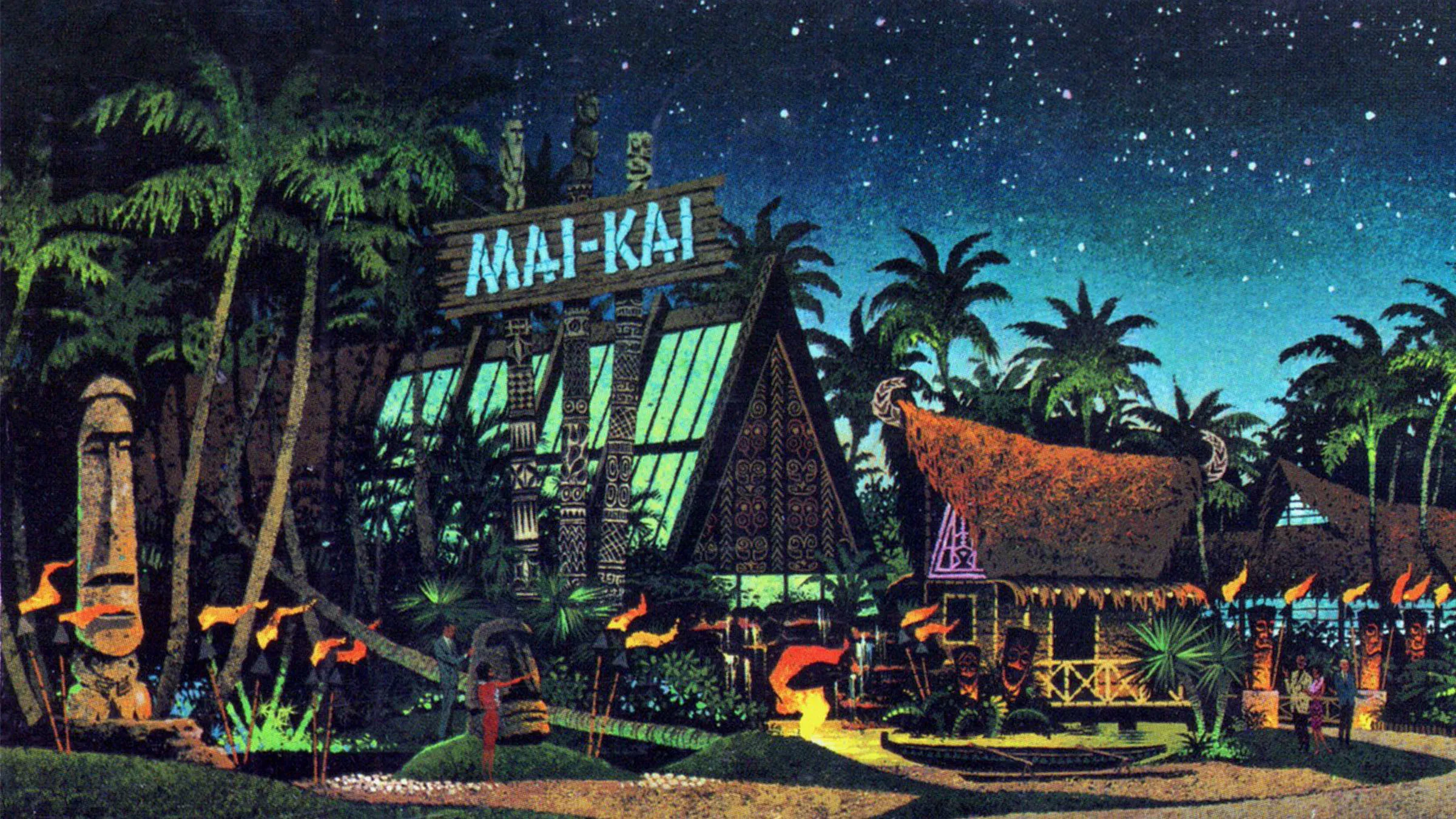
Mai-Kai is the East Coast Don the Beachcomber—not in name, but in lineage. Bob and Jack Thornton opened the restaurant in 1956 in Fort Lauderdale, and they hired Mariano Licudine as head bartender. Licudine had worked for Donn Beach at the Beachcomber’s flagship Hollywood location for years; when Donn went off to Hawaiʻi to develop his Waikīkī properties, Licudine brought the recipe book east. The Mai-Kai opened with an actual Don the Beachcomber-trained bartender pouring actual Don the Beachcomber recipes. Most of those recipes were never written down anywhere else; Licudine’s handwritten log at Mai-Kai became, in retrospect, one of the most important historical documents in modern American cocktail history.
What’s striking about Mai-Kai is that it was a fancy night out tiki restaurant from the start. Bob Thornton built the place big—a 600-seat capacity that’s grown over the years through expansions—and committed to full theatrical Polynesian-revue dinner shows that ran multiple times nightly. The Tahitian-style dancers, the fire-knife performers, the elaborate carved-tiki decor on every surface—all of it was there in 1956, all of it is there now. Most of the actual mid-century tiki bars in the US closed by 1975. Mai-Kai stayed open through it all.
In October 2020 a roof collapse forced the restaurant to close. The repair and renovation took four years. The bar reopened in 2024 with most of the original interior intact, the carved details restored, and the cocktail program returning to Licudine’s original recipes (which Mai-Kai had drifted from over the decades). The reopening was a major event in the tiki revival community—Jeff Berry attended; Martin Cate attended; tiki festivals built trips around it.
For exotic cocktail purposes, Mai-Kai is essential because the recipe lineage is genuinely unbroken. The drinks on the menu trace through Licudine to Donn Beach—the actual recipe lineage, not a reconstruction. The Mystery Drink (a ceremonial group cocktail delivered with stage smoke and a gong) is the signature, but the deeper cut is the original Polynesian Cocktail menu items: the Black Magic, the Yeoman’s Grog, the Sidewinder’s Fang.
The cultural-respect framing here is sharper than at Tonga Room. Mai-Kai’s nightly Polynesian Revue—dancers in costume performing music attributed loosely to the Pacific—is exactly the kind of imagined-Polynesia performance that contemporary cultural critique has examined. The current Mai-Kai management has been more thoughtful about the framing in recent years (acknowledging the history; supporting actual Pacific Islander cultural projects), but the show is the show. Visit with eyes open.
Order first
The Mystery Drink for the spectacle. The Black Magic or Yeoman’s Grog for the deep historical record.
Why it matters
Mai-Kai is the only operating restaurant with an unbroken recipe lineage to Donn Beach himself. The drinks are documented; the room is preserved; the theater is the theater.